

### Blog Post:
Travel car seat for airplane use is one of the hottest parenting debates right now. If you want to fly safely and legally with your child, you must follow strict FAA rules—yet many parents feel lost or frustrated about how to choose, install, and carry the right seat onboard. Knowing what works, what’s required, and what can go wrong (before you board) makes travel less stressful and far safer for your child.
Key Takeaways
- FAA-approved car seats must have a specific label and are usually only permitted in harness mode during the flight—not as boosters.
- Always check installation limits, seat positioning, and bring your own car seat to avoid risky “lap child” scenarios, especially for children under 2.
- Traveling with a car seat is not always easy—anticipate bulkiness, installation struggles, and plan for airport navigation challenges.
- Understanding Travel Car Seats for Airplanes
- How to Use a Travel Car Seat on an Airplane: Step-by-Step
- Advanced Analysis & Common Pitfalls
- Conclusion
- FAQ
Understanding Travel Car Seats for Airplanes
Traveling with young children means more planning—and extra gear. An FAA-approved car seats, also called a child restraint system (CRS), is designed to protect babies and toddlers in-flight the same way it does in the car. It must have a label stating: “This restraint is certified for use in motor vehicles and aircraft.” Booster seats, backless seats, or baby carriers aren’t allowed during takeoff, taxi, or landing. Airlines are required to accommodate car seats as long as you have purchased a seat for your child and the CRS fits in the airplane seat. Typically, installation is only allowed in window seats and never in exit rows. This rule is consistent through 2023–2024 FAA updates and is the gold standard for safe family air travel (FAA guidelines).
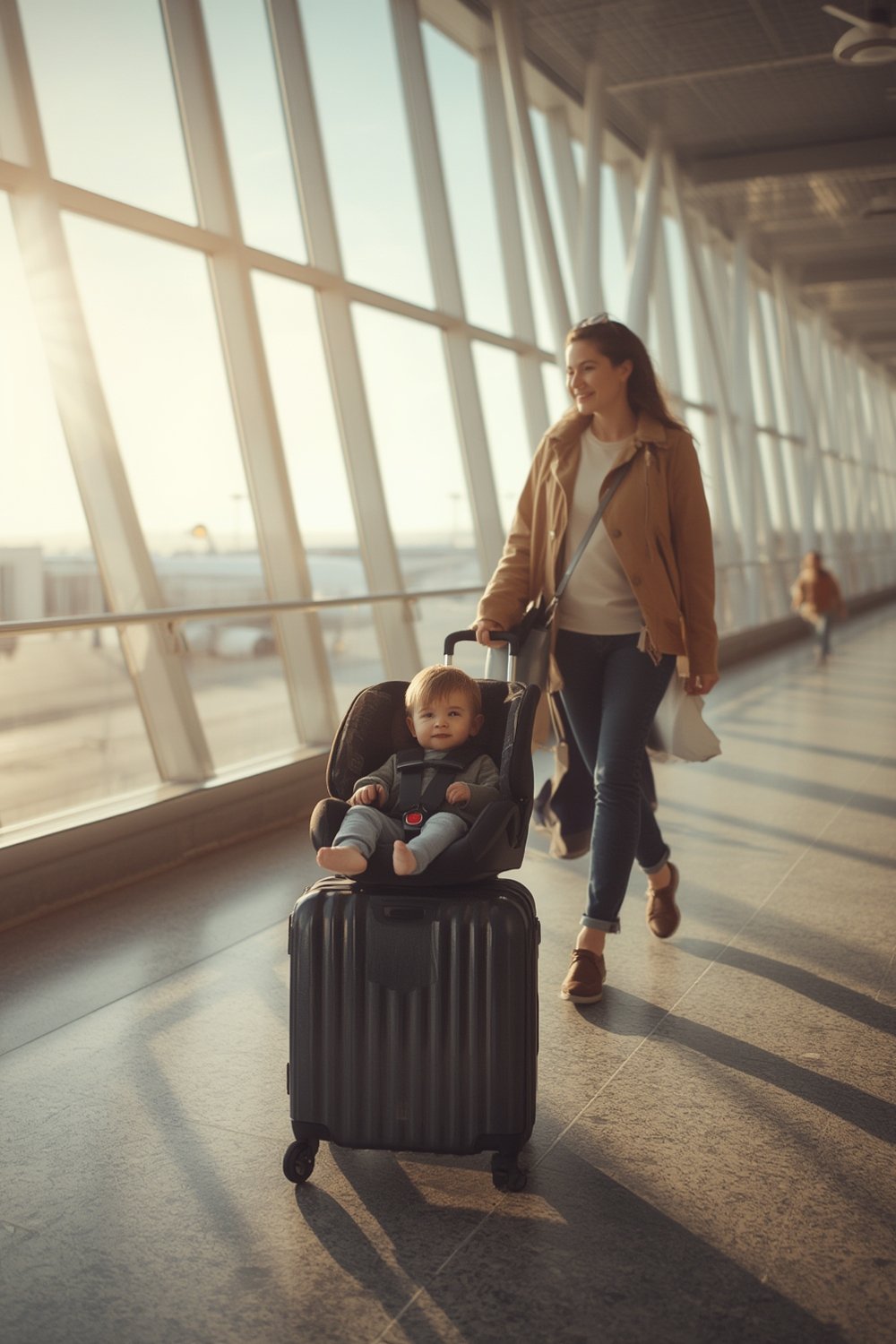
Why bother? Besides legal compliance, using a travel car seat on an airplane keeps your child restrained in turbulence, protects during sudden stops, and gives parents confidence. It may even help your child nap on the plane—familiar comfort goes a long way. Plus, car seats are safer than “lap-holding”, which places your child at risk during even minor turbulence (Safe in the Seat).
Yet, not every car seat is approved for planes. There’s no universal 2024 list—if in doubt, look for the FAA label on the seat or check the manual. Major brands like Graco, Cosco, and Britax offer several models likely to be allowed, but it all comes down to that single sticker or approval sentence. Special mention: the AmSafe CARES harness is the only FAA-approved in-flight harness for children 22–44 lbs and up to 40 inches (Safe Ride News).
How to Use a Travel Car Seat on an Airplane: Step-by-Step
-
Confirm Your Car Seat is FAA-Approved:
- Look for a label reading, “This restraint is certified for use in motor vehicles and aircraft.”
- No label? It probably isn’t legal for airplane use.
-
Book the Right Seat on the Plane:
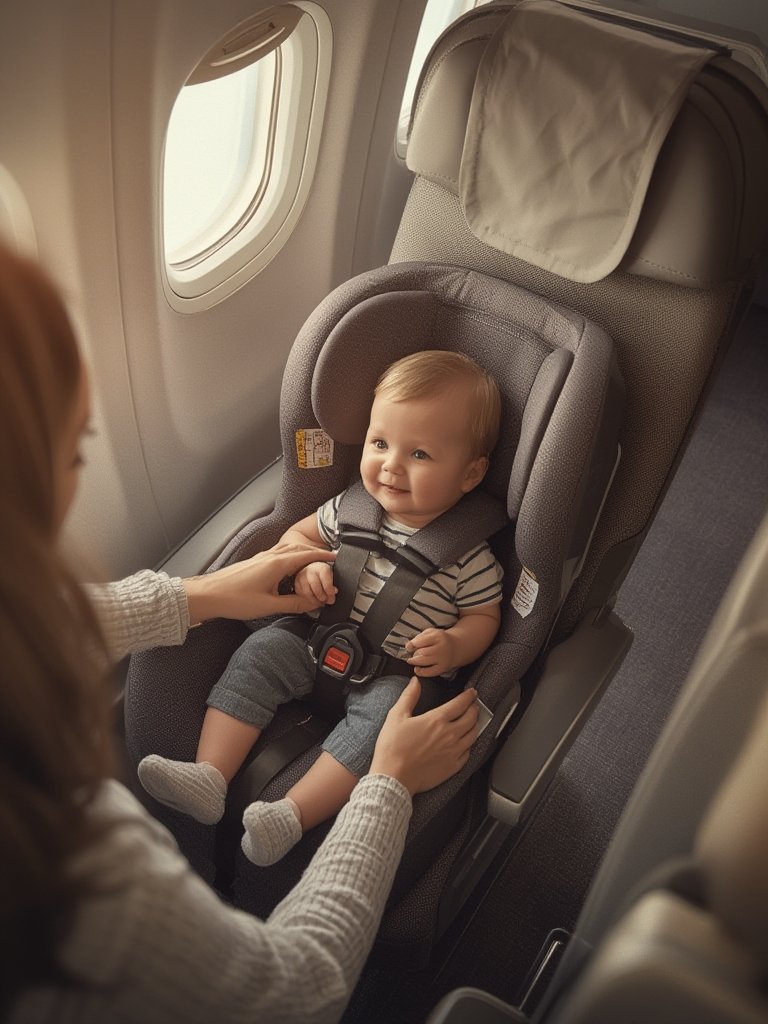
- Car seats must go in a window seat (never an exit row or where they block escape).
- Reserve adjoining seats if traveling with multiple children or adults.
-
Prepare for Airport Navigation:
- Consider using a car seat travel cart or compact folding stroller (lightweight baby stroller).
- Secure your car seat in a travel bag or transport on a rolling cart.
-
Install the Car Seat Correctly in the Aircraft:
- Aircraft only have lap belts—install according to your car seat manual, using the lap belt through the correct path.
- Rear-facing or forward-facing depends on child size and seat limits.
-
During and After the Flight:
- Ensure child stays buckled during takeoff, landing, and turbulence.
- After landing, take your time to uninstall the seat safely before leaving the plane.
- Don’t forget essentials for your child’s comfort and health. Bring baby skincare products for long flights (baby skincare), and make sure to pack familiar snacks and toys.
- Need to maximize cabin space? Opt for the slimmest possible models. If you’re interested in maximizing gear efficiency, see our baby gear 2025 guide.
Advanced Analysis & Common Pitfalls
Success with a travel car seat for airplane trips is about more than just buying the right model. Here’s what can—and often does—go wrong:
- Bulk and Weight: Many families struggle with the awkward size and heft of travel car seats. Carrying them through terminals is a top frustration.
- Aircraft Fit Issues: Not all FAA-approved car seats fit well in every airplane seat, especially on smaller regional jets. Bulkier seats can block armrests or stick out into the aisle, which crews may not allow.
- Installation Complications: Airplane lap belts differ from car seat belts. Some seats can be tricky or impossible to install tightly using just the lap belt, especially rear-facing models.
- Unclear Airline Policies: Some airline staff are less familiar with car seat policies than they should be. Even with an FAA label, you may need to advocate for your rights (official FAA guidance).
- Inadequate Prep: If you’ve never practiced installation, it can lead to stressful scenes in a crowded cabin while others wait to board.
| Feature | Best Practice | Potential Pitfall | Solution |
|---|---|---|---|
| FAA Approval | Verify label or manual | Airline staff may challenge you if no label visible | Print the manual page, keep a photo of the label |
| Installation | Pre-practice at home | Difficult installation with lap belt only, especially for rear-facing | Practice & know your seat’s quirks |
| Transport in Airport | Use lightweight carts/bags | Bulky, hard to maneuver, back strain | Invest in a travel cart or ask for assistance |
| Child Restraint During Flight | Keep child harnessed during turbulence | Child tries to escape; improper securing | Pack distractions, check tightness |
For infants not in bucket seats, consider if a baseless infant car seat or inflatable travel booster seat is relevant for your next trip.
Conclusion
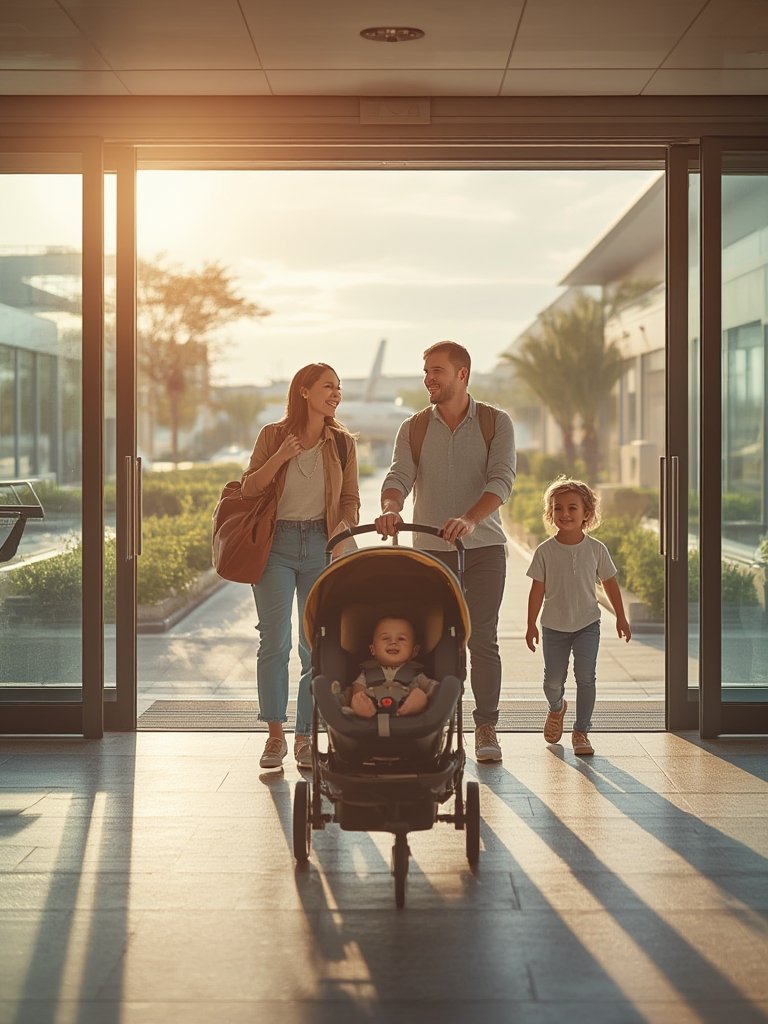
Choosing and using a travel car seat for airplane journeys in 2024 requires more than guesswork. Confirm FAA approval, practice installation, and plan ahead for airport navigation to avoid unpleasant surprises. While the process involves some extra hassle and upfront effort, it ensures your child’s safety and brings peace of mind. Always check your travel car seat for airplane use—don’t risk the alternative. Ready to travel smarter? Invest in preparation now, and your next flight with kids will be a whole lot smoother.
If you want to be fully prepared, review our newborn baby essentials list before you pack. Safe travels!
FAQ
Do airlines have to allow my FAA-approved car seat onboard?
Yes. If you have purchased a ticket for your child and your car seat has the FAA-required label, airlines are required to let you use it. If staff say otherwise, politely show them the label and refer to FAA policy.
Which seats on the airplane are best for installing a car seat?
A travel car seat for airplane use must go in a window seat, never an exit or bulkhead row. This prevents blockage of the aisle and allows safe evacuation if necessary.
Are booster seats or backless car seats allowed during flights?
No. The FAA does not permit booster seats, backless child restraints, or any seat that lacks the specific “certified for use in motor vehicles and aircraft” label during takeoff, taxi, or landing.
What should I do if my car seat doesn’t fit in the airplane seat?
Double-check your seat’s dimensions before flying. If there’s a fit problem, ask if you can switch seats within your booking class or request help from airline staff. Slimline models help avoid this issue.
Should I check my car seat at the gate or take it onboard?
It is safest to take your car seat onboard and use it. Gate-checked seats can be damaged in transit. If you must gate-check, use a padded travel bag and inspect for cracks upon arrival.
—