

If you have kids, car seat cleaning hacks are not just a nice to have—they’re essential. Cleaning child car seats the wrong way can ruin straps, shrink covers, and even void warranties. Here’s what works, what to avoid, and exactly how to handle messes safely without risking your child’s safety or your seat’s crash performance.
Key Takeaways
- Never machine wash or soak car seat harness straps—use only mild soap and water on a soft cloth, then air dry.
- Odor and stains are tough, but aggressive cleaning can damage safety features; always follow part-specific manufacturer guidelines.
- Stuck with serious mess, mold, or uncertainty? Contact the manufacturer for guidance or replacement parts instead of “hacking” around safety rules.
- What Makes Car Seat Cleaning So Tricky?
- Step-by-Step: Safe Car Seat Cleaning Hacks for Real-Life Messes
- Expert Analysis: Mistakes, Problems, and What Competitor Guides Miss
- Conclusion
- FAQ
What Makes Car Seat Cleaning So Tricky?
Child car seats aren’t just a piece of fabric and foam—they’re regulated safety devices, and almost everything about cleaning them is different from cleaning stroller fabric, car interiors, or even adult seat belts. Parents commonly report headaches like frayed harness straps after using washing machines, faded covers from hot cycles, lingering odors after “deep cleaning,” and confusion about which products are actually safe to use. These issues not only make car seats less comfortable but can also affect safety in a crash. Worse, using the wrong method can void the warranty—leaving you to absorb the cost of repair or replacement if something goes wrong.
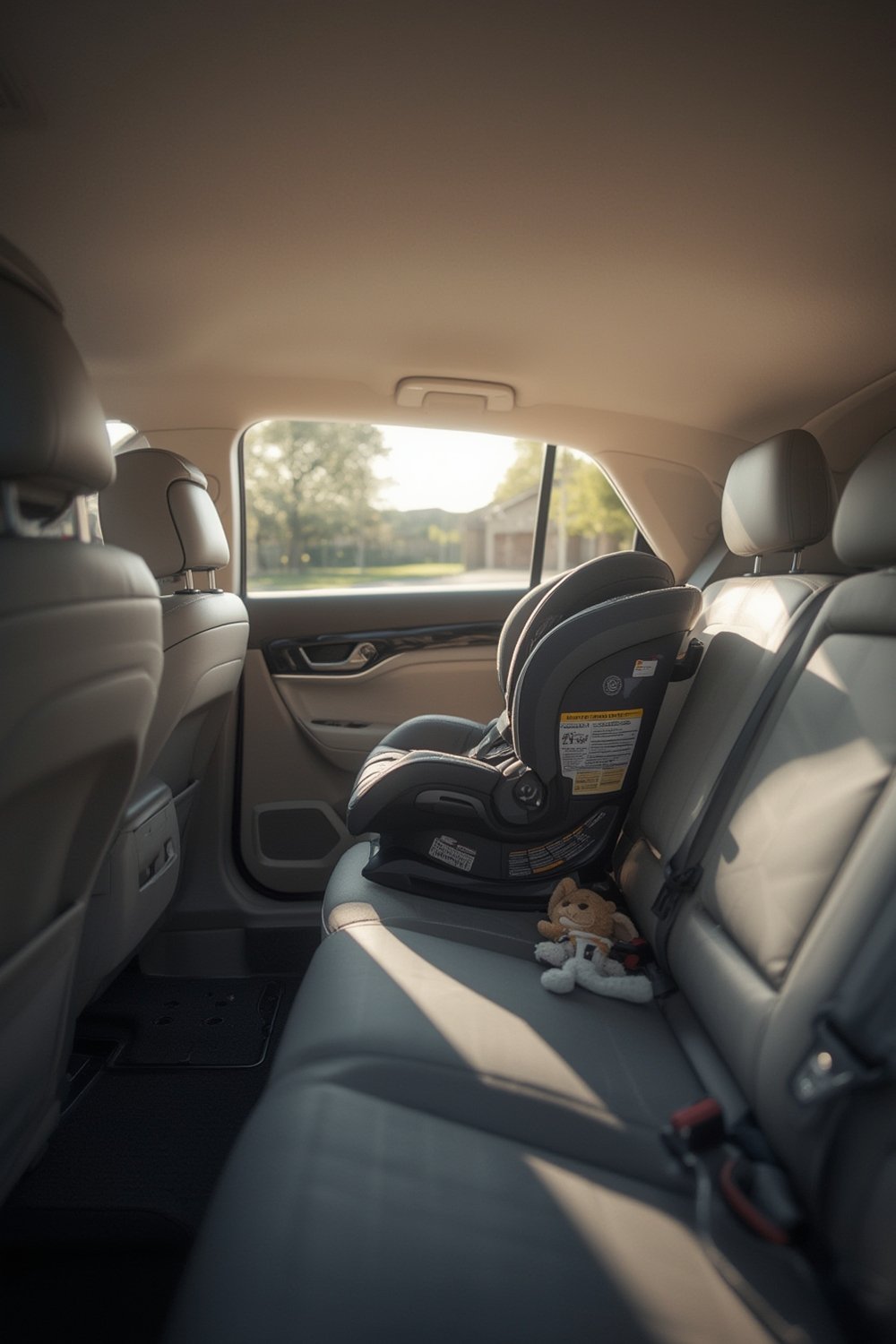
The friction between parent needs (eliminating all traces of vomit, milk, or mystery stains) and manufacturer rules (“mild soap and water only!”) means there are real risks both to the seat and your child unless hacks are science-backed and warrantied. If you want both a fresh-smelling, truly clean car seat and manufacturer-approved safety, forget generic car detailing tricks and focus on step-by-step, part-specific solutions.
Step-by-Step: Safe Car Seat Cleaning Hacks for Real-Life Messes
Here is how to clean your car seat—according to 2024 safety experts, with real-life parent hacks that work without violating warranty, plus product links, time-saving tricks, and things the top-ranking articles often get wrong.
- Remove the child and loose debris. Wipe away solids with paper towels. Unclip and loosen straps fully.
- Remove covers and padding as per your manual. Many modern covers are machine washable, but always check for “hand wash only” or temperature limits. Use gentle, cold water with a small amount of baby detergent.
- Pre-treat tough stains. If your manual allows, spritz stained fabric lightly with an enzymatic cleaner (never solvent or bleach) and let it sit for a few minutes before washing. Consumer Reports cautions that enzymatic cleaners are for covers only—never use them on straps or foam!
- Machine wash/hand wash covers as directed. Air dry thoroughly—many covers shrink if machine-dried or placed in direct sun.
- Clean the harness like a pro:
- Mix a few drops of mild dish soap or baby shampoo in cool water.
- Dampen a soft washcloth—never saturate.
- Gently wipe harness straps along their length. No scrubbing, soaking, or “Magic Erasers.”
- Wipe with a cloth dampened with plain water to remove soap.
- Hang straps to air dry away from sunlight and heat sources.
- Wipe shell, foam (top only), and buckles: Use mild soap and water on a soft cloth for the shell. Only rinse buckle tongues under cool running water—don’t lube or disassemble buckles unless the manual says so.
- Odor removal hacks: For covers: after they dry, leave them in a sealed bag with fresh baking soda overnight to draw out smells. Do not put baking soda on straps, foam, or buckles.
- Spot-check for mold: Brush off loose spores outdoors (on removable washable covers only), then rewash. If you see mold on harnesses or foam, contact the manufacturer for parts replacement. Never use vinegar, alcohol, or “mold removers” on harnesses.
- Full dry and reassembly: Allow all parts to dry at least 12 hours. Follow your photos and the manual exactly to reassemble. Double-check harness routing and buckle function.
- Final functional test: Buckle and tighten the harness, slide adjusters, and make sure all parts are secure before using the seat again.
For chronic travelers, keeping a lightweight travel stroller for babies handy as a backup seat can be a lifesaver during long drying periods. Pair these cleaning techniques with must-have items from your newborn essentials checklist to always be prepared on the go.
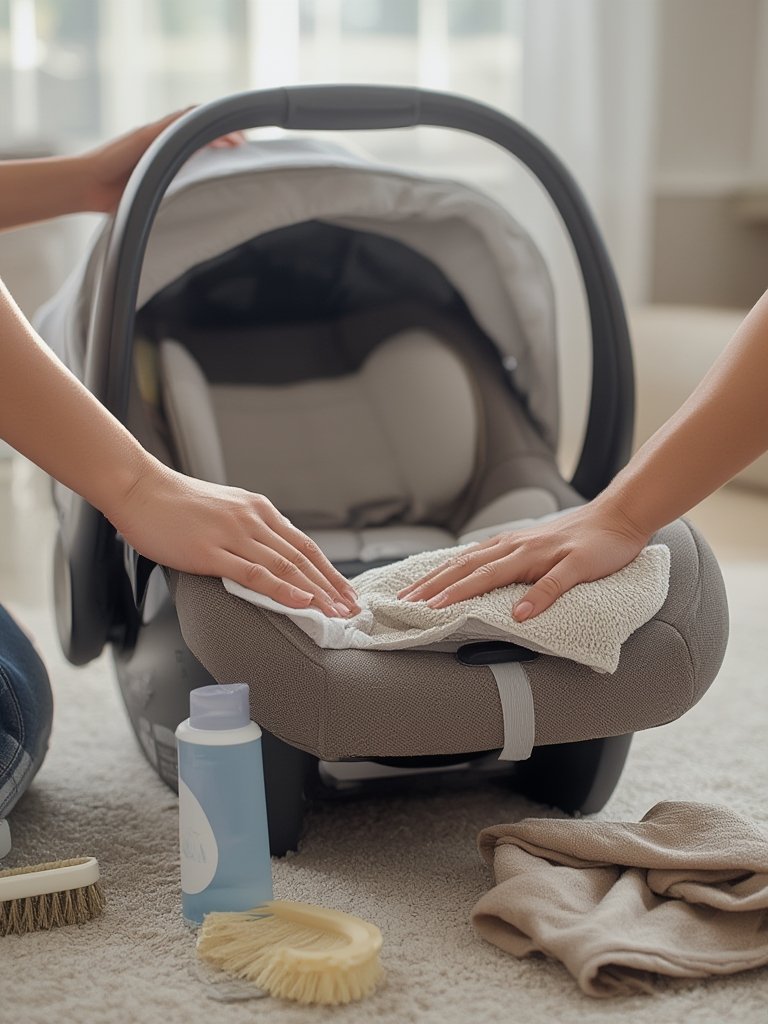
If you suspect a severe biohazard or mold issue, don’t risk repeated cleaning cycles—most manufacturers recommend contacting them for harness or seat replacement. DIY restoration rarely restores safety, especially with foam or webbing that’s been deeply penetrated by fluids or mold. Not sure if your seat is salvageable? Reach out to a local Child Passenger Safety Technician or check your specific seat’s website.
Expert Analysis: Mistakes, Problems, and What Competitor Guides Miss
Most top-ranking cleaning guides skip critical manufacturer cautions, which means parents risk voiding their warranties or even reducing safety. Here’s what often goes wrong, plus realistic problems detected in parent forums, reviews, and CPST (Child Passenger Safety Technician) communities.
Common Pitfalls
- Machine washing or soaking harness straps. This is NEVER permitted and often leads to stiffness, fraying, or hidden fiber damage. Even if they “look clean,” crash performance can be compromised. Source
- Using bleach, vinegar, or alcohol products on straps or foam. These can severely weaken material strength, bleach color, or cause hardware to rust. This error is often found in car detailing videos but can void your seat’s crash certification. Source
- Letting covers dry in direct sunlight or high heat. This can cause fading, shrinkage, or even foam delamination—covers may not fit back onto the shell, risking improper harness placement.
- Ignoring mold or biohazard contamination. While actual stats aren’t tracked in government databases, CPS techs and forums confirm blowouts and mold are very common. Mold on harnesses or within foam requires a new harness or, in some cases, a new seat—not just more scrubbing.
- Skipping final fit and function checks after cleaning. Many guides stop after cleaning, but proper reassembly and functional testing (check for harness twists, misplaced padding, missing warning labels) are crucial.
Why Do These Mistakes Happen?
Online cleaning videos and blogs often treat car seats like any other car upholstery, recommending spray cleaners, extractors, and steamers. But these are not just messy—they’re dangerous shortcuts. Only mild soap and water can touch harnesses, and machine washing is almost always reserved for fabric covers only, on the mildest setting. Anything more means risking the seat’s ability to protect your child during a crash, losing warranty protection, or ending up with an unfixable odor problem.
| Cleaning Method | Safe for Covers? | Safe for Harness? | Safe for Foam? | Notes |
|---|---|---|---|---|
| Mild Soap & Cold Water by Hand | Yes | Yes | Only light surface wipe | Always air dry; safe for all parts |
| Machine Washing (gentle/cold) | If manual permits | Never | Never | Covers only if listed as machine-washable |
| Enzymatic Cleaners | Manual-specific | Never | Never | Spot-treat covers only if manufacturer allows |
| All-Purpose Cleaners, Bleach, Vinegar, Alcohol, Steam | Never | Never | Never | Often voids warranty, damages safety features |
If you want to know which compact seats are easiest to disassemble when messes strike, check out our Slim Car Seat 3 Across guide or get tips on the best portable seats for Uber and taxis—both great options for keeping your main seat in rotation while one dries or waits for new harnesses.
Conclusion
The best car seat cleaning hacks don’t involve fancy cleaners or steamers—they follow boring, repeatable, science-backed steps: always use only soap and water on harnesses, follow manual instructions for every part, and avoid shortcuts that could undermine your child’s safety. Still deciding on your next seat or want more gear tips for travel and cleaning backups? Read our recommendations for the safest travel stroller for infants or stock up on skincare essentials for baby messes. If ever in doubt, reach out to the seat manufacturer or a certified CPST for one-on-one help. Safe, clean, and ready for every ride—now you know how to make it happen.
Ready to tackle your next blowout or mystery stain? Check your seat’s care manual and keep these hacks close—you’ve got this!
FAQ
Can I use vinegar or bleach to clean my car seat harness if it’s really dirty?
No. Vinegar, bleach, and all harsh chemicals are prohibited for harness webbing. Use only mild soap and water on a damp cloth—never soak or machine wash harness straps. If odor or staining persists, contact the manufacturer about replacement harnesses. Source
What should I do if there’s mold on the harness or foam?
Do not attempt to clean mold on harness webbing or deep inside foam. Most manufacturers require replacement of the harness or, in severe cases, the entire seat. Contact the brand’s customer service for recommended action before using the seat again.
How long does it take for a car seat to dry after deep cleaning?
Always allow at least 12–24 hours for thorough air drying of covers and padding. Never use a dryer or direct sun. Plan ahead—having a backup seat (or extended rear facing seat) is smart if you’ll need to drive while the primary seat dries.
Can I machine wash the entire car seat or foam insert?
No. Only washable fabric parts may be machine washed—never soak or wash harness webbing, foam, or the plastic shell in a machine or submerse them. Follow your manual for exact instructions. Doing otherwise could damage safety features or void your warranty.
What’s the best way to remove odors from car seat covers?
After washing and thorough air drying, store removable clean covers in a sealed bag with baking soda overnight. For severe biohazard odors, multiple gentle wash cycles or manufacturer-approved enzymatic cleaner (if specified in your manual) can help. Avoid spraying deodorizers on straps or foam.