

car seat expiration date is one of the most overlooked yet critical safety issues parents face. Expired car seats can silently compromise child safety, but finding and interpreting that small print is more confusing than you’d expect—even for seasoned parents.
Key Takeaways
- Car seat expiration dates protect your child by accounting for invisible wear and outdated safety standards.
- Expiration labels, location, and formats vary widely, so parents often miss vital information—posing a risk, especially with secondhand seats.
- Safely disposing of expired seats takes just a few steps, and some stores offer recycling or trade-in benefits.
- 1. Why Car Seat Expiration Dates Matter
- 2. How to Find, Check, and Handle Your Car Seat’s Expiration Date
- 3. Advanced Analysis and Common Pitfalls
- 4. Conclusion
- 5. Frequently Asked Questions
Why Car Seat Expiration Dates Matter
Every car seat, no matter the brand or model, comes with an expiration date for one simple reason: safety. Over years of exposure to sun, temperature swings, and normal use, the materials—especially the plastic shell—degrade. This breakdown isn’t always visible, but it reduces the seat’s ability to protect a child in a crash. Adding to that, safety technology and standards change frequently. Manufacturers set expiration periods (typically 6-10 years) to match what the seat can reliably provide, not because they want you to buy more gear.
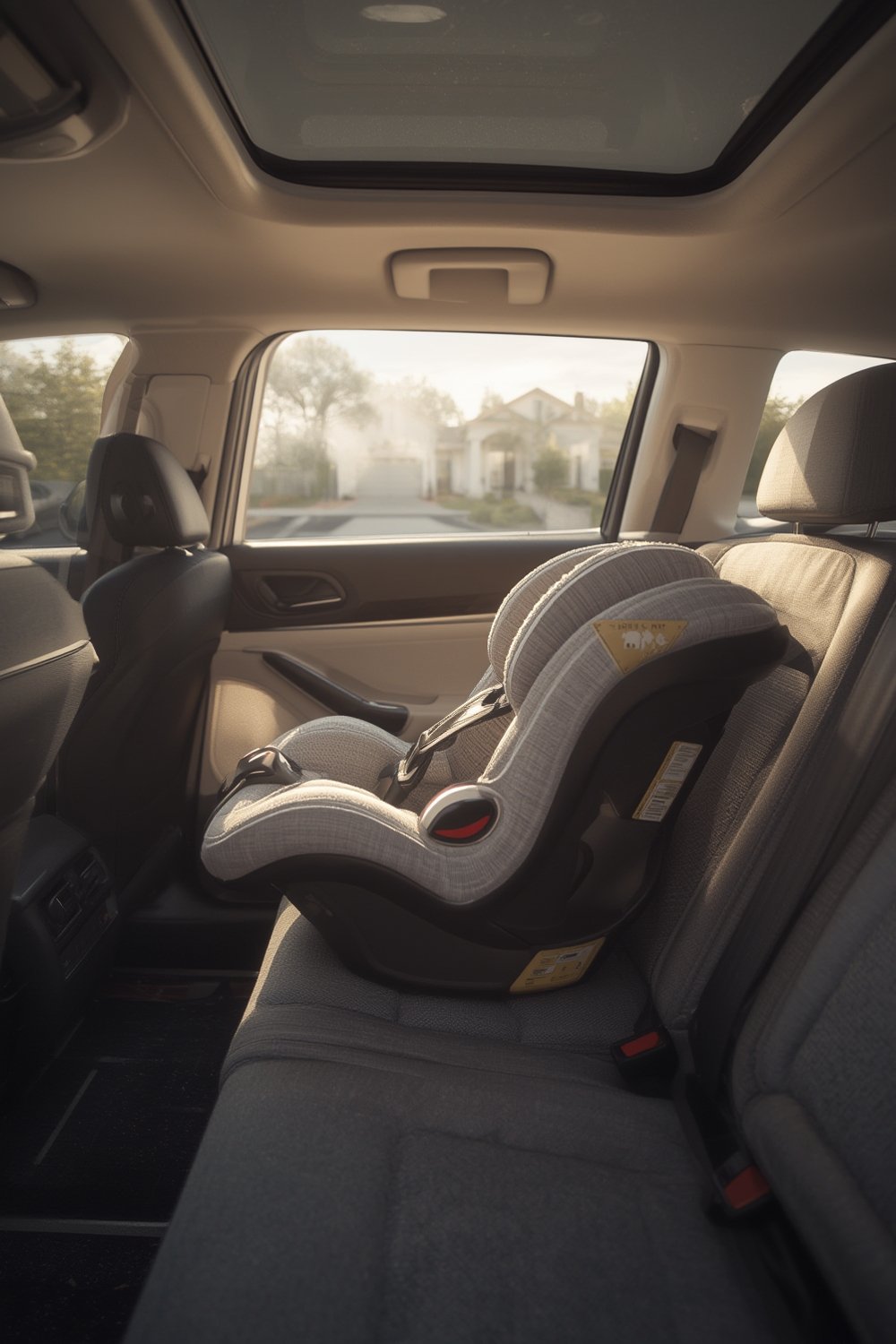
Failing to observe expiration dates can mean trusting your child’s life to outdated protection. While there is no direct 2023-2024 US or global data tying expired seats specifically to injuries or deaths, car seat misuse (including expired or damaged seats) continues to be a significant issue. According to the National Digital Car Seat Check Form, 67% of seats checked in 2024 were used improperly [Vision Monday]. Car seats reduce fatal injury risk by 71% for infants, but only if all protective layers—including the shell—are uncompromised [NSC Injury Facts].
How to Find, Check, and Handle Your Car Seat’s Expiration Date
While every parent wants to do the right thing, figuring out a car seat’s expiration date isn’t always straightforward. The labeling practices change not just by brand, but often by model—and even within the same manufacturer over time.

Step 1: Locate the Expiration or Manufacture Date
Start by turning the car seat over and inspecting all plastic and label areas. Depending on the brand, you’ll usually find:
- A sticker with an explicit “Do not use after [date]” label
- A sticker showing the Date of Manufacture (DOM) only—check the manual for lifespan (usually 6-10 years from DOM)
- A date either engraved, molded, or printed into the plastic shell
If you’re struggling to find it, the manual (digital or paper) or manufacturer’s website customer support can often help. [Babylist guide]
Step 2: Interpret the Format
Not all brands make it easy. Sometimes you’ll see just the DOM, and need to manually add the warranty period. For instance, if your seat was manufactured in July 2018 and the seat is valid for 7 years, the expiration is July 2025. Keep your own easy-reference note or calendar reminder to avoid confusion.
Step 3: Decide—Keep, Donate, or Dispose?
If your seat is still within its expiration and has never been in a crash, you can keep using it or donate it (if allowed—many organizations only take new seats). If expired or damaged, never pass it on. To dispose:
- cut the straps so it can’t be reused unsafely
- Remove soft goods (fabric, padding)
- Clearly mark the shell “EXPIRED – DO NOT USE” in permanent marker
- Check for car seat recycling events (like Target’s Trade-In, usually in April and September), or dispose via regular trash if no programs are available
Tip: Some retailers, such as Target, offer coupons for bringing in expired seats—even if you don’t buy a new one right away.
Step 4: Plan for Replacement
Shop for a new seat based on your child’s size, weight, and current needs. Consider lightweight options for travel; if you want portability, check out our guide on the best travel stroller that pairs perfectly with infant carriers—or explore the extended rear facing car seat safety recommendations for your next choice.
Advanced Analysis and Common Pitfalls
Car seat expiration isn’t just about the date—it’s also about how parents interact with confusing or hidden information, environmental factors, and real-world use-case scenarios. Let’s examine the main risks and realistic problems:
The Most Frequent Mistakes
- Missing the Expiration Label: Some seats don’t have a clear “use by” date. Parents may rely on a seat from family or friends, never realizing it’s expired.
- Improper Calculation: If only the DOM is listed, parents may assume a longer lifespan than is actually safe—especially as different brands set variable time periods.
- Environmental Damage: Plastic degradation isn’t visible. Extreme heat, cold, and UV exposure degrade seats faster than the average lifespan may suggest.
- Relying on Secondhand Gear: Without full history (such as prior crash involvement), even an unexpired seat may not be safe.
- Failure to Remove from Circulation: Donating or selling an expired seat, even with good intentions, keeps unsafe products in circulation and adds risk for other families.
Comparing Expiration Labeling Practices
| Brand Practice | How Displayed | User Risk |
|---|---|---|
| Sticker with Expiration Date | Explicit ‘Do not use after MM/YYYY’ | Low |
| Sticker with DOM Only | ‘Manufactured: MM/YYYY’; manual refers to lifespan | Medium—requires calculation |
| Molded into Plastic | On shell; may be hard to read or find | High—easy to overlook |
| No Visible Date | Only in manual or not at all | Very High—risky with secondhand use |
Why the Lapses Happen
Brands are inconsistent in how and where they print these vital details. For parents juggling busy schedules, it’s easy to miss or misunderstand the label—especially if it’s tucked under the seat, faded, or formatted differently than what you expect. The risks only go up when buying used seats or passing them between kids of different ages. While legal liability for expired seats is not commonly reported, improper use (wrong seat, expired gear) can result in injury during crashes [AAA Newsroom].
If you frequently move your seat between vehicles, travel, or use aftermarket products (covers, add-ons, etc.), these can accelerate wear or hide expiration labels. For compact vehicle needs, review how to fit car seats 3 across or utilize folding/portable booster options, which still expire over time [Inflatable Booster Seat Guide].

Conclusion
Knowing—and respecting—your car seat expiration date is not just a technicality. Material breakdown, changing safety standards, and unclear labeling mean an expired seat simply can’t guarantee your child’s safety. Always check (and double-check) for explicit expiration on any seat you use, trust only seats with traceable history, and properly dispose of expired models. Protect your child; set a calendar alert, share this info with friends, and check every seat in your car today. For more car safety tips or to see the latest lightweight and safe options, visit our updated guides on travel car seats for airplanes or the best baby gear of 2025.
Frequently Asked Questions
Why do car seats expire?
The plastic and materials in car seats degrade over time due to sunlight, temperature, humidity, and wear, making them less effective in a crash. Safety standards also change, so expired seats may not offer the best protection.
Where can I find the expiration date on my car seat?
Look for a sticker or molded marking under, behind, or on the side of the seat. If there’s only a Date of Manufacture (DOM), check your manual for the lifespan or contact the brand directly.
Can I donate or sell an expired car seat?
No. Only donate or sell seats that are within their expiration date and haven’t been in a crash. Expired seats should be destroyed and disposed of properly to keep others safe.
What is the easiest way to dispose of an expired car seat?
Cut the straps, remove soft materials, mark the shell “EXPIRED – DO NOT USE,” and check if nearby retailers (like Target) offer trade-in programs. Otherwise, dispose via household trash while ensuring it can’t be reused unsafely.
Is it illegal to use an expired car seat?
There are no universal laws against using an expired seat, but it is strongly discouraged. In an accident, insurance companies may deny claims, and expired seats can’t reliably protect children.