

hip seat baby carrier designs are changing how parents carry their babies, promising better comfort and support during short outings, longer walks, or travel. But how do these carriers really perform, and what should you watch for before buying or using one? This guide cuts through the hype, giving you practical tips, real market trends, and warnings from real parents’ experiences so you can decide if a hip seat carrier is right for you and your child.
Key Takeaways
- Hip seat baby carriers are growing in popularity, especially for travel and short carries, but lack clear pediatric safety studies compared to traditional carriers.
- Common complaints include short usage lifespan, costs of premium models, and safety risks for heavier babies or during long use.
- Always check for reputable guides and current market stats before buying a hip seat baby carrier to avoid common pitfalls.
- What Is a Hip Seat Baby Carrier and Why Use One?
- How to Choose and Use a Hip Seat Baby Carrier (Step-by-Step)
- Advanced Analysis: Common Pitfalls and Real-World Issues
- Conclusion
- FAQ
What Is a Hip Seat Baby Carrier and Why Use One?
A hip seat baby carrier is a wearable baby carrier featuring a firm, padded seat attached around the adult’s waist for the baby to rest on, significantly reducing strain on the parent’s shoulders and back. The design allows parents to carry infants or toddlers (often up to 44 pounds, depending on the model) facing inward, outward, or on the hip for short, everyday carries, quick errands, travel, or around the house.
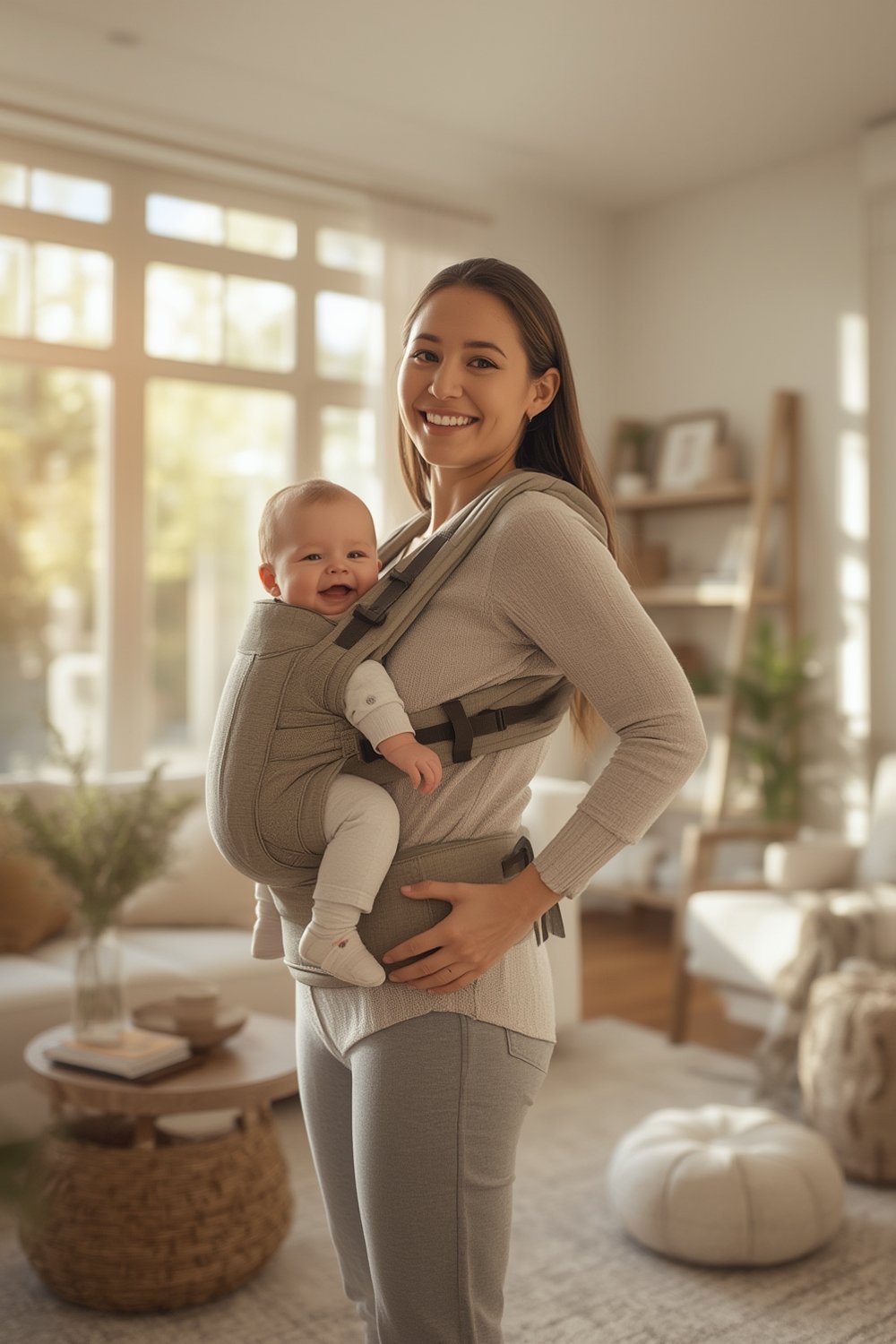
Parents are drawn to these carriers because they promise fast on/off convenience and relief for those with back pain. In 2024, the global hip seat carrier market has surged, valued at over $850 million with expectations to reach $2.2 billion by 2033 (DataHorizzon Research). North America is leading the trend, especially for active families who need gear adaptable for both babies and energetic toddlers.
But it’s essential to look beyond the marketing. Hip seat carriers aren’t always best for longer walks or heavier babies, and there are important safety limits and practical use cases to consider—some of which you won’t find highlighted in top baby blogs.
Before you buy, compare this carrier with other baby transport options like those discussed in our best travel stroller guide to ensure it matches your specific needs.
How to Choose and Use a Hip Seat Baby Carrier (Step-by-Step)
-
Check Age and Weight Guidelines:
Most hip seat baby carriers are suitable for babies around 6 months to 3 years, but some models start as early as 3 months if the baby can hold their head up. Always check the manufacturer’s maximum weight limit since exceeding it can compromise both comfort and safety.
-
Evaluate Core Features:
Top carriers include padded, adjustable waist belts, wide seats, optional upper torso supports, and quick-release buckles. Some add handy pockets for travel. For short trips or fast carries, focus on quick adjustability and minimal extra padding.
-
Fit and Adjust Properly:
Wear the hip seat snugly above your hips, not below, and always align the seat support under the child’s bottom—not mid-thigh. Adjust any harness or straps to distribute weight evenly.
💡 Pro Tip: Do a five-minute test walk at home with a bag of flour or potatoes in the seat before trying it with your baby. This reveals pressure points and strap issues in advance.🔥 Hacks & Tricks: For heavier babies, rotate the carrier a few inches left or right every 10 minutes to avoid numbness or red marks on your hips during travel or walks. -
Limit Carry Time for Heavy Babies:
Hip seat carriers are best for short- to medium-duration carries. Most parents report discomfort for both child and adult if used for more than 30-45 minutes, especially with children above 25 pounds. For prolonged outings, consider alternating with a traditional soft structured carrier or longer walks.
-
Prioritize Safety:
Always inspect for secure seams, working buckles, and check that all parts click securely before use. Avoid using a hip seat carrier while jogging, running, or doing strenuous activity. Do not use if your baby cannot sit unassisted or exceeds the recommended weight.
For more newborn options, reference our newborn baby essentials list.
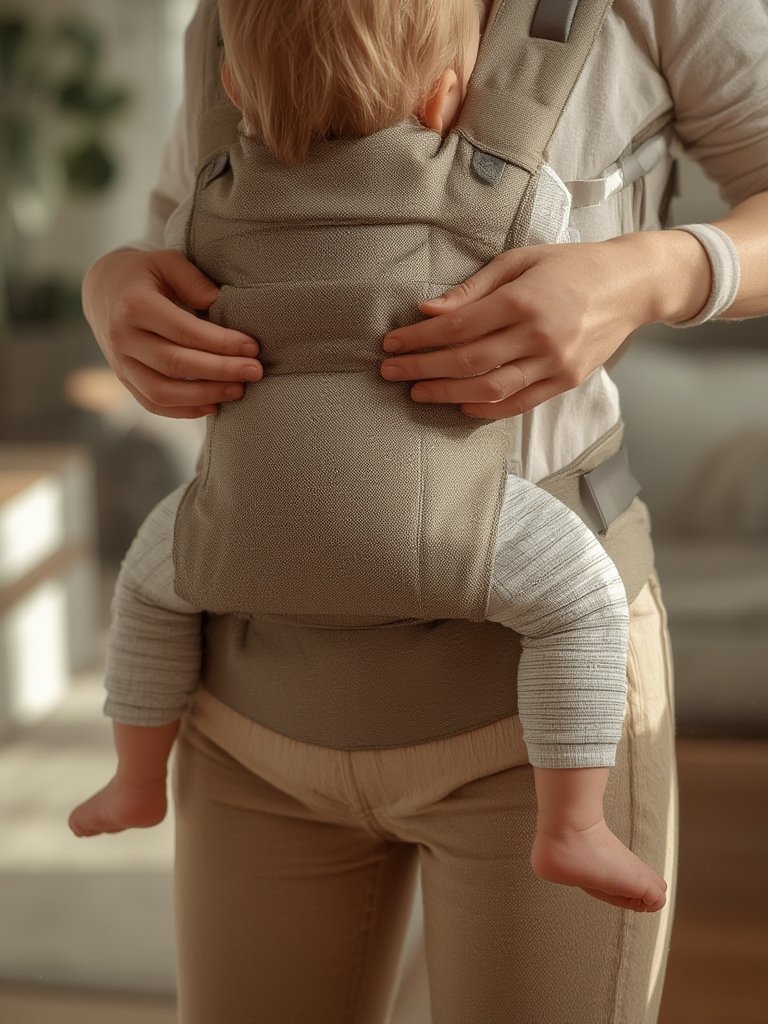
If you’re traveling, pair your carrier with trusted gear like an inflatable booster seat for cars or an airline-approved travel stroller for smooth trips through airports or city streets.
Advanced Analysis: Common Pitfalls and Real-World Issues
No baby product is perfect. Here’s what recent research and real parents report about hip seat baby carriers and carriers with hip seat features. Consider these before making your choice.
Market Trends and Growth
- The hip seat market is growing fast, especially in North America, with sales expected to double by 2033 (DataHorizzon Research).
- Soft structured carriers with hip seats are outselling simple wraps or slings for families focused on travel and convenience (HTF Market Insights).
What Users Like and Dislike
- Parents love quick loading and unloading, and report less shoulder strain after carrying babies older than 6 months compared to wraps.
- Discomfort increases with heavier babies if used for longer walks or travel; most parents report hip numbness, red pressure spots, or fatigue after more than 30 minutes, especially if the carrier is not high-quality or fitted to their waist width.
- Short product lifespan means families often buy multiple carriers as the baby grows, or find themselves investing in a second model for heavier toddlers.
| Feature | Hip Seat Baby Carrier | Traditional Baby Carrier |
|---|---|---|
| Weight Capacity | Up to 44 lbs (varies by model) | Up to 35-45 lbs |
| Best For | Quick errands, short walks, travel, toddlers | Longer walks, naps, infants, hands-free use |
| Comfort with Heavier Babies | Limited for long duration; may cause hip or waist discomfort | Usually better distributed with backpack-style straps |
| Ease of Use | Very fast load/unload, intuitive fit | Slightly slower, more buckles and straps |
| Cost | $50–$150 (premium models higher) | $70–$200 |
| Certifications (2024-2026) | Unclear; no major published standards | ASTM F2236 (US), CEN/TR 16512 (EU) |
Ergonomic and Safety Limitations
- Lack of official safety standards: As of 2026, no clear US, EU, or Asia certifications exist specifically for hip seat carriers, unlike traditional carriers (PR Newswire).
- No direct ergonomic studies: There is a gap in pediatric expert studies comparing hip seat and traditional carriers for toddlers and 1-year-olds.
- Misuse is common: Many parents attempt to use hip seat carriers for longer walks than designed, sometimes leading to safety risks (such as slipping or improper weight distribution), especially with heavier babies.

If your baby has specific skin or health sensitivities, review our baby skincare must-haves before selecting textile materials in your carrier. And always check for recall news or advisory updates before purchasing any new baby gear, especially as standards evolve.
Conclusion
Choosing a hip seat baby carrier is an excellent move for parents prioritizing fast, comfortable carries—provided you are clear on its strengths and limits. Hip seat models excel for travel, errands, and toddlers who want up-and-down freedom, but may disappoint for longer walks or heavier children. There’s currently no single safety certification for these carriers, and pediatric safety research is still catching up. Always test for fit at home, follow weight guidelines, and alternate with other carriers or strollers for longer or more demanding outings. If you’re serious about on-the-go parenting, add a hip seat baby carrier to your list, but shop smart and safe. Ready to find the right fit? Explore more reviewed options in our baby gear 2025 guide today!
FAQ
Are hip seat baby carriers safe for newborns?
No. Hip seat baby carriers are generally designed for babies who can sit up and support their own heads, typically around 6 months and older. For newborns, use a structured carrier specifically designed for healthy spinal and head support.
What are the main risks of hip seat baby carriers for heavier babies?
The main risks are discomfort for the parent (hip/waist strain), potential slippage, or inadequate support if the baby exceeds the maximum weight limit stated by the carrier’s manufacturer.
Can you use hip seat baby carriers for long walks or hiking?
For most parents, hip seat carriers are best suited for short outings or travel. For longer walks or hikes, a structured, fully strapped baby carrier or lightweight stroller is recommended for better weight distribution and support.
Is there any official certification for hip seat baby carriers?
As of 2026, there are no official certifications specific to hip seat baby carriers in the US, EU, or Asia. Always check for overall product quality and any applicable recalls.
How do I prevent red marks or discomfort when using a hip seat carrier?
Adjust the waist belt snugly above your hips and rotate the carrier’s seat position occasionally during use. Limit each carry to 20-30 minutes, especially with heavier children. You may also want to try a red marks or discomfort solution to help relieve pressure and prevent slippage.