
Stroller wagon popularity has surged with parents wanting a versatile way to carry toddlers and gear, but understanding the latest safety standards, real-world usability, and the right buying steps is absolutely crucial—especially amid recent recalls.
Key Takeaways
- Recent recalls highlight safety concerns for stroller wagons, including entrapment and failures in restraint systems.
- There are significant gaps in public data on parent pain points, durability, and feature-based price differences for stroller wagons.
- Cautious shopping and attention to official safety guidance are required to avoid pitfalls with modern stroller wagons.
- What Is a Stroller Wagon and Why Parents Are Choosing Them
- How to Choose and Use a Stroller Wagon: Step-by-Step Guide
- Advanced Analysis: Real-World Pitfalls and Safety Recalls
- Conclusion
- Frequently Asked Questions
What Is a Stroller Wagon and Why Parents Are Choosing Them
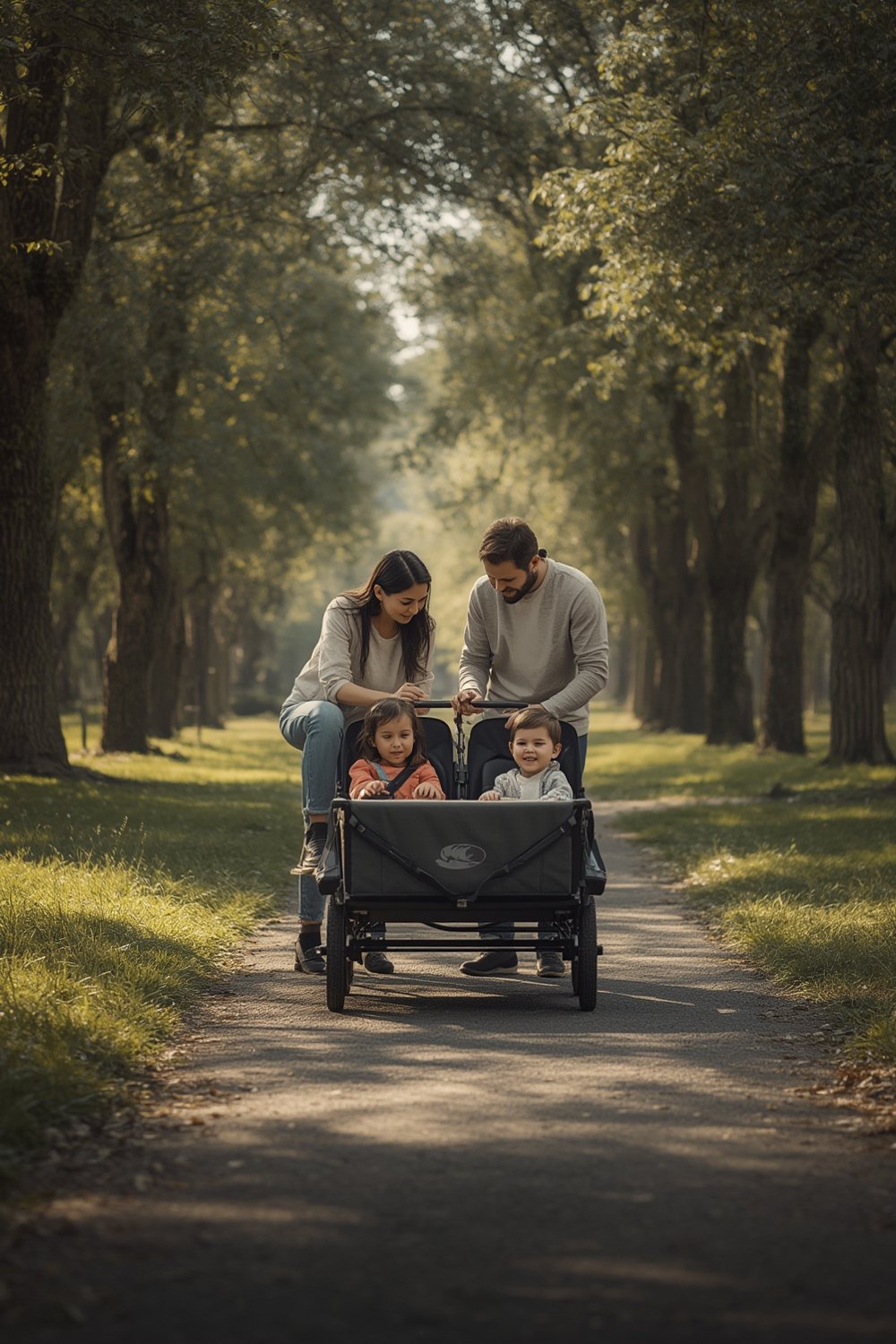
Stroller wagons blend the hauling space of a wagon with stroller safety features: think multiple seats, canopies, and usually all-terrain wheels. They’re especially appealing to parents tackling the park, beach, or all-day outings, thanks to roomy seating and cargo-friendly designs. Unlike classic double strollers, stroller wagons can often accommodate more gear for picnics, sports, and travel, providing an adaptable seating setup for families with two or more kids.
Safety, though, is a major qualifier. Stroller wagons must comply with U.S. CPSC requirements to address entrapment, falls, and effective restraint—just like traditional strollers. Still, recent high-profile recalls (more below) reveal legitimate concerns with certain models and a persistent need for vigilance when shopping.
For travel-minded parents, a stroller wagon can offer more comfort and flexibility than slimmer double strollers, but their larger size and variable foldability can be drawbacks for city, plane, or tight spaces. For more options on travel strollers, check our review of the best travel stroller for infant in 2025.
How to Choose and Use a Stroller Wagon: Step-by-Step Guide
Picking the right stroller wagon involves more than comparing colors or basket space. Here’s a realistic, actionable approach based on the latest safety information and real-world needs:
- Check Safety Compliance: Always verify that the stroller wagon meets current CPSC stroller standards and isn’t subject to any active recalls. Recent recalls (such as the Olympia Tools Pack-N-Stroll) underline the risks of tray gaps and missing restraint systems. Search model numbers and check the latest information on the CPSC’s recall page.
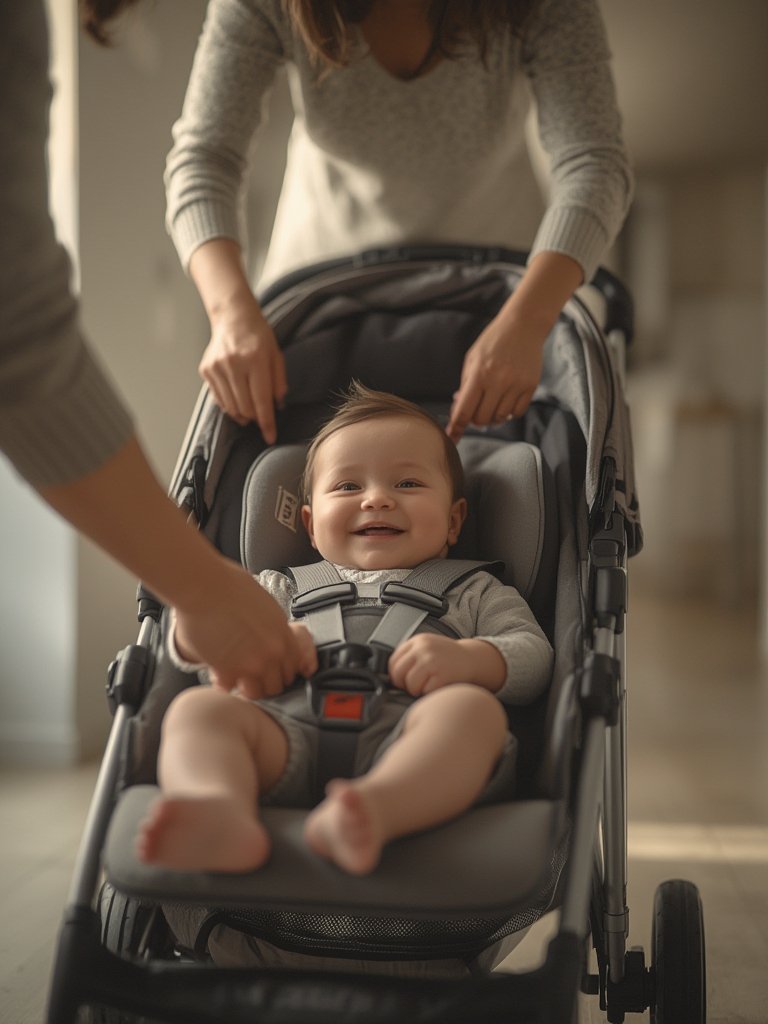
- Assess Restraint Systems: Ensure each seat comes with a five-point harness and that the closure is easy for adults but impossible for toddlers to undo. Weak or missing restraints have led to falls even in reputable models. For car seat compatibility, learn about stroller compatible infant car seats.
- Consider Size and Foldability: While stroller wagons generally offer more room than double strollers, they may be heavier and less travel-friendly. Try folding the wagon in-store or watch video demos. If foldability is a priority, refer to tips in our one hand fold stroller guide.
- Understand Pricing: Expect popular foldable stroller wagons to retail between $200–$400. While features like all-terrain wheels, adjustable canopies, and extra storage can push costs higher, there’s little transparent data yet on which features most impact price. Beware of overpaying for aesthetics over substance.
- Practice Safe Use: Read the manual. Always use the provided harnesses, especially on unfamiliar terrain, and don’t overload beyond manufacturer recommendations. Be mindful when your child enters/exits to avoid head and limb entrapment risks, as seen in past recalls. For more gear planning, check our 2025 baby gear and Black Friday roundup.
If you travel often, consider an airline approved travel stroller and compare it to stroller wagons for each trip: wagons are great for car-based vacations or local outings but often too bulky for in-cabin storage on flights.
When comparing features, remember: not all premium add-ons translate to improved safety or ease. Focus on what solves a real need in your routine, not simply the most options or the heaviest wagon. For a minimalist newborn setup, see our newborn baby essentials list.
Advanced Analysis: Real-World Pitfalls and Safety Recalls
Recent safety recalls make it clear: even stroller wagons from reputable brands can pose risks. The 2025 recall of the Olympia Tools Pack-N-Stroll wagon was triggered by an opening between the sidewall and inner tray large enough to trap a child’s head and the absence of a restraint system, leading to fall risks. About 530 affected units retailed via major outlets at $200–$400. Owners were instructed to return units for a full refund. More details can be reviewed at the official CPSC stroller recall page and independent reports such as Johnson Becker’s recall summary.
| Stroller Type | Recent Recall Examples | Safety Violation Highlight | Remedy | Units Affected |
|---|---|---|---|---|
| Stroller Wagon | Pack-N-Stroll Premium Folding Utility Wagon (2025) | Gap between sidewall and inner tray, missing restraint | Return for refund | 530 |
| Traditional Double Stroller | AliExpress 4-in-1 Baby Safety Cart Carriage (2025) | Restraint system failed—risk of falls | Destroy restraint for refund | 15 |
Both categories fall under similar federal standards addressing entrapment, restraint, and fall hazards. However, wagons are more frequently cited for issues around tray and sidewall gaps absent in most classic stroller frames. There are no significant injury reports so far, but the small number of affected units in these recalls raises questions about broader industry compliance—and the importance of parent vigilance.
Due to a lack of 2024 and 2025 public data, there is no evidence-backed information available on average weights, fold sizes, or direct parent-reported pain points like canopy durability or ease of folding. Price continues to average $200–$400 for mainstream models, but real-world value widely varies by usage needs and individual scenarios.

If you prioritize convenience at large events, research the best stroller for Disney to compare park restrictions and comfort suited to your family size and ages.
Conclusion
Stroller wagon safety and usability are rapidly evolving but demand real awareness from parents—especially after the recent recalls. Always double-check that your stroller wagon is certified, not subject to recall, and that every child uses the provided restraints. Prioritize needs-based features over flash, and keep an eye on federal recall updates before and after purchase. Choosing the right stroller wagon means making informed, practical choices your family can trust—start safe and stay current.
Get more updates, safety tips, and the latest baby gear insights—browse our other guides to find answers for every stage of your parenting journey.
Frequently Asked Questions
Are stroller wagons safe for newborns?
No. Most stroller wagons are not designed for infants under 6 months or those unable to sit upright unassisted. Always follow manufacturer guidelines and use dedicated infant inserts if available.
What should I look for to avoid stroller wagon recalls?
Always verify that the model is not listed on the official CPSC recall database. Check for a secure 5-point harness, no gaps larger than a child’s head, and clear safety certification labels.
How do stroller wagons and double strollers compare for airline travel?
Midsize or compact double strollers are often lighter, fit overhead bins, and are easier to maneuver through airports. Most stroller wagons are bulkier and may require gate checking. Compare to your specific needs and travel constraints.
What price range should I expect for a quality stroller wagon?
Modern foldable stroller wagons usually cost from $200 to $400. Additional features like larger wheels or canopies may increase the price, but data linking features to cost is limited as of 2024.
Can I use a stroller wagon at theme parks?
Some parks restrict stroller wagon entry due to size. Always check the destination’s official policy before bringing a stroller wagon to major attractions.