

AI baby monitor technology is transforming how parents watch over their babies, using artificial intelligence for smarter, faster alerts. If you want fewer false alarms and better sleep insights, it’s smart to know both the benefits and the real-world limits of these new monitors.
Key Takeaways
- The AI baby monitor market is booming in 2024, leading with real-time cry detection and sleep tracking, but transparent performance data is still rare.
- Advanced features like biometric tracking and predictive alerts set AI models apart, yet parents report ongoing frustration with false alarms in some traditional monitors.
- Pricing and proven outcomes are not well documented—choose with care and demand clear specs before you buy.
- What Is an AI Baby Monitor and Why Do Parents Want One?
- How to Choose and Use an AI Baby Monitor: Step-by-Step Guide
- Advanced Analysis and Common Pitfalls of AI Baby Monitors
- Conclusion
- FAQ
What Is an AI Baby Monitor and Why Do Parents Want One?
AI baby monitors are Wi-Fi-enabled smart devices that use artificial intelligence to analyze sounds, movements, and sometimes biometrics (like heart rate). Unlike the old walkie-talkie models, these devices promise intelligent cry detection, real-time alerts for dangerous events, and long-term sleep pattern tracking. They can detect the difference between crying, coughing, or background noise, so you don’t get woken up for every small sound.
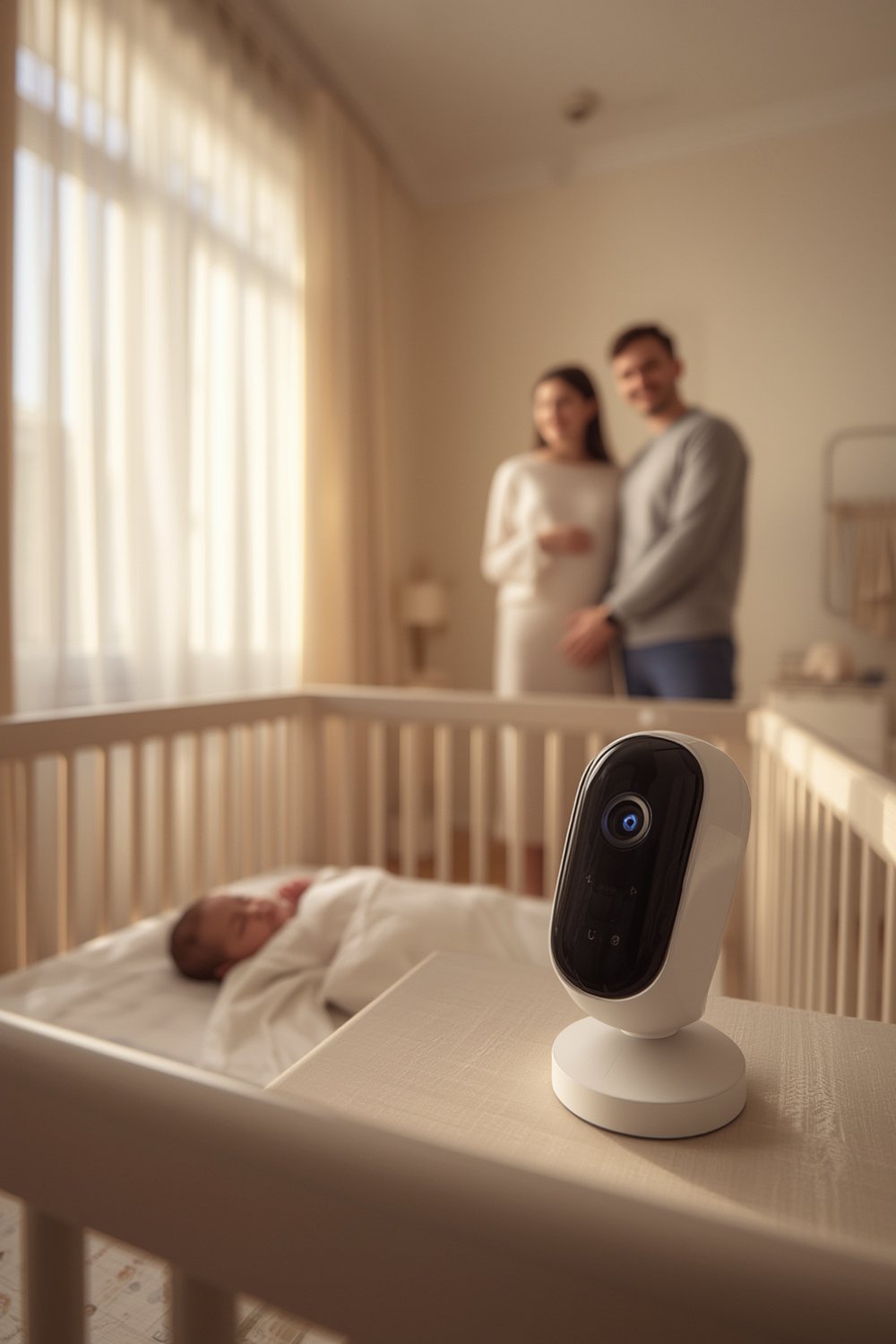
The 2024 global market for AI baby monitors is valued at $1.28 billion and is projected to nearly quadruple in under 10 years, driven by North American technology adoption and rapid growth in Asia Pacific. Home use accounts for 70% of all revenue, and parents everywhere want more accurate insights on baby safety and sleep—without all the late night anxiety you get from unreliable, outdated monitors.
Parents are increasingly seeking features such as:
- Fewer false alarms and faster, smarter notifications
- Detection of real dangers, including apnea or rolling over issues
- Tracking of sleep stages, temperature, and movement patterns over time
- Crystal clear 1080p video feeds—even at night
For travel and flexibility, see our best travel stroller, infant stroller 2025 guide to keep your baby safe and comfortable on the go.
How to Choose and Use an AI Baby Monitor: Step-by-Step Guide
Ready to upgrade to an AI-powered baby monitor? Use this actionable guide to make the right decision and maximize features for your baby’s safety and your peace of mind.
- Define Your Priorities
Decide if you want basic cry detection, advanced biometric tracking, or deep sleep pattern analysis. Not all models offer oxygen or heart rate alerts. - Research Core Features
Look for key specs: edge AI processors for real-time detection, 1080p night vision video, temperature and humidity sensors, and two-way talk. Ignore vague “smart” claims—ask for solid specs. - Check App Usability
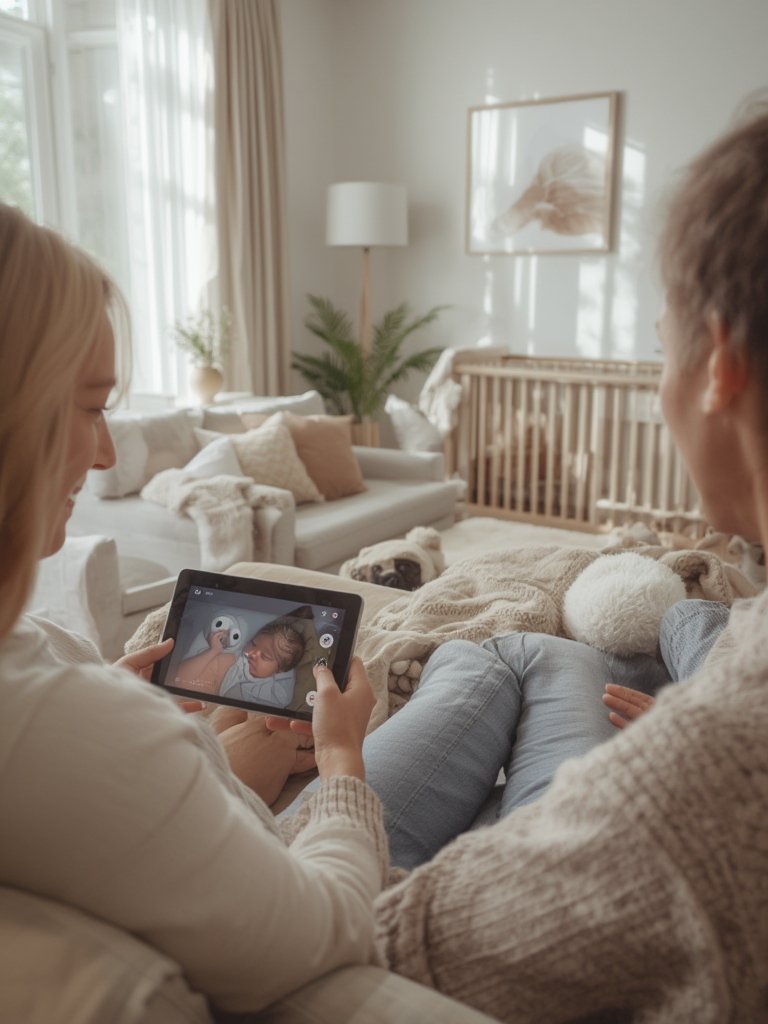
Evaluate the companion mobile app for customization, alert history, and remote access. Glitchy software can make the best hardware useless. - Assess Privacy Controls
Make sure the device supports two-factor authentication, local data storage (edge AI), and transparent privacy policies. - Compare Pricing and Subscriptions
Many AI baby monitors charge extra for advanced features, sleep analytics, or cloud storage. Ask about hidden fees or recurring charges. As of 2024, pricing data isn’t always public; demand transparency. - Test Before Fully Relying
Real-world use is different from marketing claims. Simulate cries and movements to test delay, notification reliability, and false alerts. Record your findings—it might help with support or warranty claims later. - Review & Maintain Regularly
Update firmware and apps. Clean camera lenses for clear video and periodically recalibrate sensors. Outdated software can risk both safety and privacy.
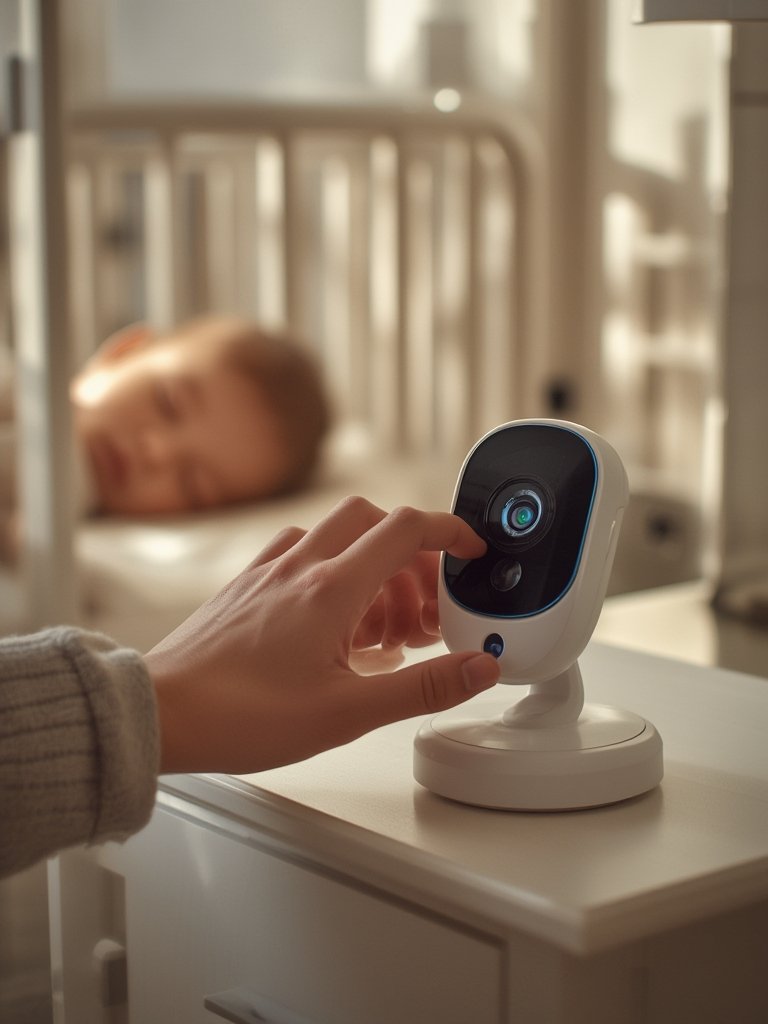
Extra smart tip: Link your AI monitor setup with routines for newborn care—for ideas, see our newborn essentials guide. If you care about contact-free health tracking, our non contact breathing monitor baby article covers leading non-wearable options.
For parents focused on skin comfort under wearables or straps, don’t miss our baby skincare must-haves list.
Advanced Analysis and Common Pitfalls of AI Baby Monitors
AI baby monitors can sound advanced, but real-world use shows mixed performance and ongoing challenges. Here’s an honest look at what works well, and where many parents hit snags.
- False Alarms Remain a Pain Point: Even with AI, not every monitor eliminates false cry alerts or unnecessary notifications. Some edge AI systems are better, but parents still complain online about repeated false warnings.
- Response Speed Varies: Marketing promises “real-time” alerts, but actual response times can lag due to poor Wi-Fi or slow cloud processing. Edge AI (local, on-device analysis) usually beats cloud-only models.
- Subscription Fatigue: Many “top” AI models require monthly or annual payments for advanced analytics, sleep history, or danger zone alerts. These costs can add up fast—always ask about total yearly fees.
- Privacy Concerns: Any internet-connected camera in your nursery poses a potential privacy and security risk. Vulnerable IoT devices have been hacked in the past. Require two-factor authentication and data encryption.
- Lack of Peer-Reviewed Testing: As of 2024, there are no published independent lab or academic tests proving AI cry detection is consistently better than top traditional models. You’re relying on vendor claims and general market trends.
- No Standard for Sensor Sensitivity: Few brands publish hard data on camera sensitivity, notification time, or biometric accuracy. Expect to experiment—and exchange—if your first pick doesn’t perform as promised.
| Criteria | Traditional Baby Monitor | AI Baby Monitor |
|---|---|---|
| False Alarm Rate | Frequent | Lower, but not zero |
| Cry Detection | Only basic sound triggers | AI-classified, can distinguish between sounds |
| Alert Delivery Speed | Immediate, but not always reliable | Real-time (with good Wi-Fi/edge AI), sometimes lags with cloud processing |
| Biometric Features | None or minimal | Common (heart rate, pulse-ox, breathing) |
| Privacy/Security Risks | Minimal if analog | High if not secured—demand password and encryption |
| Cost Structure | One-time | Often with monthly or annual subscriptions |
Some of these pitfalls also apply to baby gear 2025 in general—read all terms and test features yourself before trusting smart tech with your nursery.
Conclusion
AI baby monitors offer major upgrades in intelligent cry detection, sleep analytics, and safety insights, but transparent, unbiased data is still missing. The AI baby monitor market is growing fast for good reason, yet buyers should look past the hype and ask for real specs, clear pricing, and strong privacy features.
Want more honest product insights and safety tips? Browse our car seat for Uber and taxis or learn the best ways to clean your car seat safely. When you’re ready to shop, demand transparency and always test before trusting any monitor with your baby’s safety.
FAQ
Are AI baby monitors really better than traditional monitors?
AI baby monitors can reduce false alarms, provide sleep and health analytics, and distinguish between different baby sounds. However, no independent testing proves all brands outperform the best traditional models, so results may vary by device and home setup.
How much do AI baby monitors cost? Are there hidden fees?
As of 2024, most AI baby monitors range in base price but exact costs are not always public. Many require subscriptions for advanced analytics or cloud storage. Always ask up front about all potential fees, and read app store reviews for buyer feedback.
What features should I prioritize for safety and reliability?
Look for edge AI (on-device analysis), instant notifications, biometric monitoring (if needed), and robust password protection. Avoid models without proven privacy controls or lacking real customer support.
Do AI baby monitors help reduce parental anxiety?
Some parents report improved peace of mind thanks to actionable insights and better sleep tracking. Yet, others feel overwhelmed by too many notifications or ongoing subscription charges. Success depends on device selection and user expectations.
Is my baby’s data safe with smart monitors?
Not always. Choose models with strong encryption, secured login, and clear privacy policies. Disable unnecessary cloud sharing and update firmware regularly to protect your family’s privacy.