

Airline approved travel stroller choices can make or break a family’s flying experience. If you want to avoid long gate waits, broken gear, or awkward check-in moments, you need a stroller that’s truly carry-on ready. This guide strips away confusion and tells you exactly what to look for, how to prepare, and hidden problems you won’t read on other sites.
Key Takeaways
- Most airlines require strollers to be under 22″ x 14″ x 9″ and 20 lbs. to qualify for overhead bin storage.
- Compact strollers (10-15 lbs) are more likely to be truly airline approved—anything bulkier is usually gate-checked.
- Always double-check airline policies and bring measurement documentation to avoid last-minute hassles.
- What Is an Airline Approved Travel Stroller (and Why Does It Matter)?
- How to Choose and Use an Airline Approved Travel Stroller: Step-by-Step
- Pitfalls, Technical Analysis & Reality Check: What Most Parents Miss
- Conclusion
- FAQ
What Is an Airline Approved Travel Stroller (and Why Does It Matter)?
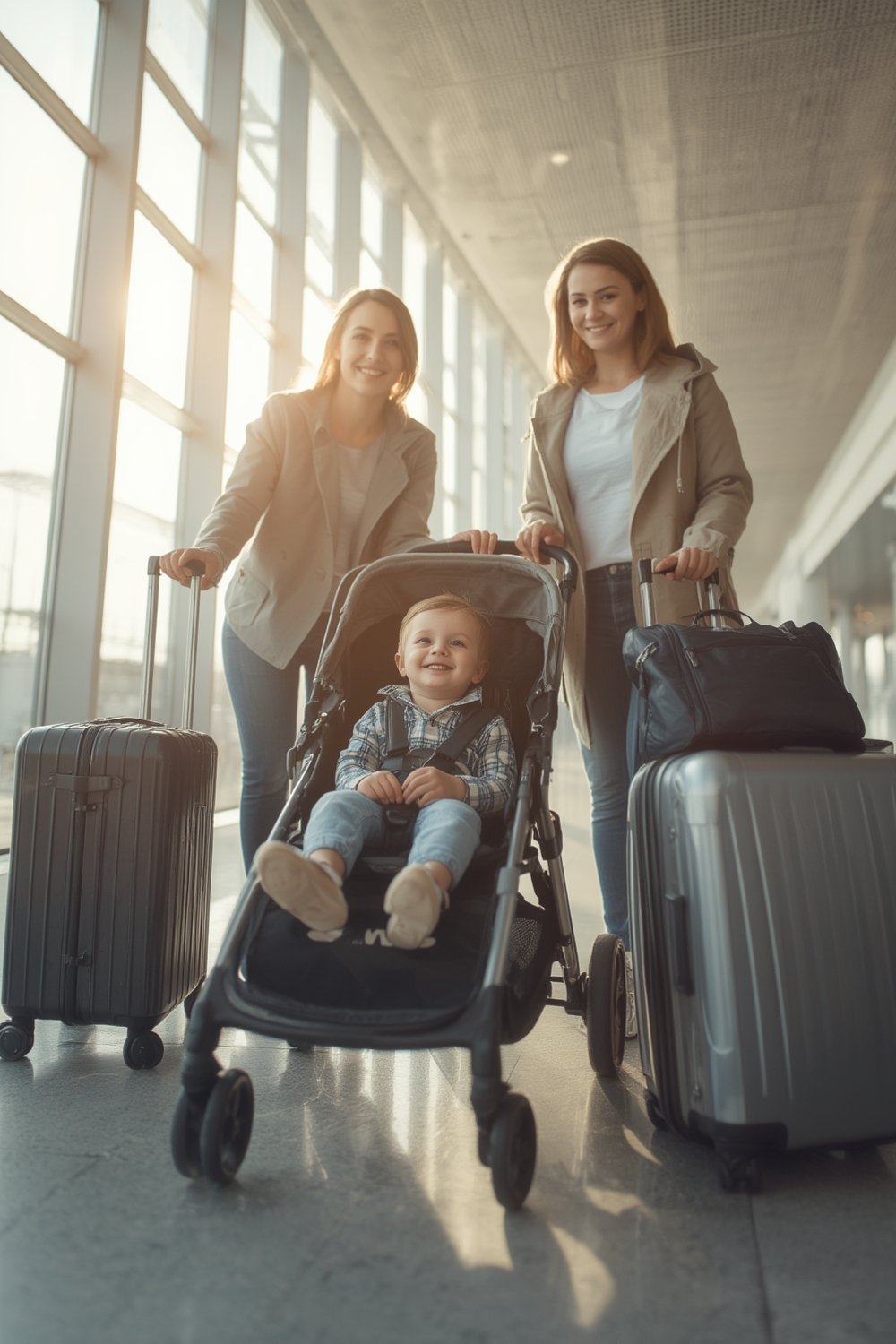
An airline approved travel stroller is a lightweight, collapsible stroller that meets strict airline carry-on size and weight limits—usually allowing it to ride with you in the airplane cabin, overhead bin, or under the seat in front. Airlines aim to keep aisles clear and wheels off seats, so your stroller must
fit their rules or it will need to be gate-checked.
The differences between “compact,” “travel,” and “airline approved” strollers are not just marketing. Oversized strollers are subject to handling delays, damage, and sometimes even extra fees. Carry-on compliant strollers let you skip the baggage claim and transition instantly at your destination. For parents with connections, napping babies, or tight timelines, this isn’t just a perk—it’s essential travel survival.
Curious about infant options? Check out our full review of the best travel stroller for infants in 2025 for detailed safety and comfort comparisons.
How to Choose and Use an Airline Approved Travel Stroller: Step-by-Step
-
Check Your Airline’s Exact Carry-On Limits
Every carrier is different. Here are sample limits pulled directly from U.S. and global airlines (dimensions include wheels and handles):Airline Length Width Height Weight Limit American Airlines 20″ 20″ 7.5″ 9 kg (under 20 lbs) Delta 25.5″ 15.5″ 12″ 20 lbs United 22″ 14″ 9″ 22 lbs Air Canada 36″ — 10″ (collapsed diameter) Not specified Singapore Airlines Lightweight, collapsible — — Not specified Most domestic airlines hover around a 22″ x 14″ x 9″ and 20 lb. maximum.
Source: MomPush -
Measure Your Stroller (Handle & Wheels Folded!)
Use a tape measure and a luggage scale. Beware: Some strollers are “travel” size only after wheels are removed or seat pads are stripped. Airlines do not accept “marketing dimensions”—measure the actual folded bulk yourself.Example: gb Pockit is often cited by United as compliant when folded. Source: United Airlines
-
Research Real-World User Experiences
Dig into reviews to see if strollers truly fit in overhead bins of your intended aircraft (not just marketing promises). Some parents find even “approved” models jammed in smaller jets. For more family-tested tips, see our travel car seat for airplane guide. -
Consider Extra Gear (or Insurance)
Airline handling can be rough. If forced to gate-check, get a padded travel bag or consider travel insurance that covers stroller damage. See below for more on what others miss. -
Plan for Security and Checkpoints
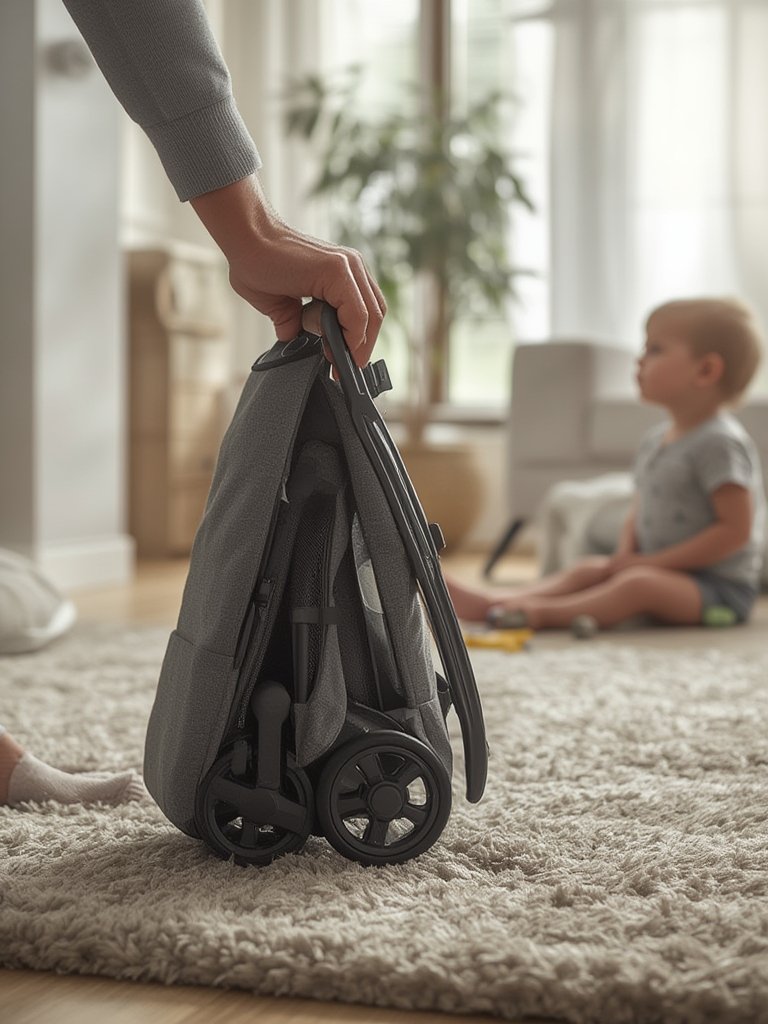
Be prepared to fold and unfold quickly during TSA screening. Practice at home so you’re not fumbling while holding a baby. -
Confirm Airport Pre-Check Stations
Some airports offer measurement cages for carry-ons. Use these to verify fit before getting in line. More tips on this below.
If you’re assembling new baby gear, cross-compare stroller specs with safety seats—our travel system car seat guide can help you build a single streamlined setup.
Pitfalls, Technical Analysis & Reality Check: What Most Parents Miss
Most parents assume any compact or “travel” stroller is airline approved, but that’s not always true. Airlines strictly enforce maximum dimensions and may gate-check non-compliant strollers, sometimes even forcing you to the back of the line. Here’s a breakdown of real-world pitfalls and honest problems:
1. “Travel” Isn’t Always “Airline Approved”
Many “travel” or lightweight strollers are still too long, thick, or heavy for true carry-on eligibility. For instance, typical strollers weighing 20-30 lbs must be gate-checked. Only models under 15 lbs with ultra-compact folds consistently get overhead bin access.
Check dimensions yourself and compare against published limits, not just the stroller company’s claims.
(Craft-Child)
2. Overhead Bin Fit Varies (Even on Approved Models)
Not all plane bins are equal. Regional jets and budget carriers can have smaller storage, so “approved” models might still force you to gate-check. For extra support, see airport staff early and ask about the specific aircraft model for your flight.
3. Damage/Insurance Is Overlooked
Gate-checked strollers are treated as regular luggage and can get bent, stained, or broken. Most airlines don’t reimburse minor scuffs or lost accessories, especially for “baby items” that travel for free. Consider a padded travel bag, and read more about gate-checking strollers and preparing for potential losses.
4. No Price Transparency
Current search results show little open price data or information on costs for protective gear—expect airline-approved strollers to run higher ($180-$350+) and bags $20-$70.
Pro tip: Track seasonal deals at Black Friday and major baby events—watch our baby gear 2025 deal guide.
5. Lack of Measurement Stations & Pre-Check
Competitor guides rarely mention that many airports have measurement cages or stands near security. Use these before a confrontation at the boarding gate.
Comparison Table: Best-Selling Strollers vs. Airline Requirements
| Stroller Model | Folded Size (inches) | Weight | Meets Standard US Airline Carry-On? | Notes |
|---|---|---|---|---|
| MomPush Lithe V2 | (Not stated, but airline compliant) | ~13 lbs (estimated) | Yes | Approved by several airlines for bin storage |
| gb Pockit | 13.8 x 11.8 x 7.1 | 10.4 lbs | Yes | Cited by United; fits most overhead bins |
| Standard Lightweight Stroller (Generic) | 24 x 10 x 25.5 | 14 lbs | Maybe | Depends on airline’s “height” interpretation |
| Typical Full-Size Stroller | 40 x 24 x 14 | 20+ lbs | No | Gate-check required |
6. Policy Changes & the Fine Print
No dramatic airline policy changes are documented for 2024-2026, but rules can and do change. Always review policies on the official site before your trip and print or screenshot relevant rules. For a thorough newborn gear checklist, see the newborn baby essentials list.

Conclusion
Traveling with children is easier with the right airline approved travel stroller—but only if you pay close attention to airline rules, your stroller’s exact measurements, and the fine print. Double-check dimensions, prep for security, and consider a protective bag if you expect to gate-check. Before your next trip, cross-reference your stroller choice with our travel booster seat safety guide and consider adding baby skincare essentials for long flights.
Ready to simplify travel and skip the stress? Choose the right airline approved stroller, confirm your airline’s latest policy, and travel lighter starting now!
FAQ
What dimensions should my stroller be to fit in the overhead bin?
Most airlines allow strollers up to 22″ x 14″ x 9″ (including wheels and handle) and under 20 lbs. Always measure and check your carrier’s current cabin limits before your trip (source).
Do I need a special bag to gate-check an airline approved travel stroller?
It’s not required, but a padded travel bag helps protect your stroller from dirt and damage when gate-checked. Most airlines are not responsible for minor damage to strollers during transit.
Can I bring both a stroller and a car seat as carry-ons?
Yes, many airlines allow one stroller and one car seat per child for free. Only ultra-compact strollers will fit as cabin carry-ons; standard models must be gate-checked. See our travel car seat for airplane guide for more info.
Is my “travel stroller” automatically airline approved?
No. “Travel” strollers vary in size. Only those that meet your airline’s published carry-on size and weight rules are guaranteed to go in the overhead bin.
How can I prevent stroller damage when flying?
Use a padded travel bag, remove cup holders or loose accessories, and consider insurance for high-value models. If you regularly travel, shop for strollers built to withstand rough handling.