

### Blog Post:
Baby carrier for back pain is a search term many parents use for good reason: carrying your child shouldn’t come at the cost of your spinal health. If you struggle with existing back pain, are recovering postpartum, or are plus-size, you know that not all baby carriers offer the same comfort or support. Here’s everything you need to make the best, evidence-based choice for pain-free babywearing in 2024.
Key Takeaways
- Most baby carriers don’t eliminate back pain for wearers, but structured carriers with lumbar/waist support can reduce muscle strain.
- Look for ergonomic features: lumbar padding, pelvic-height support, and even weight distribution—which clinical studies show matter most.
- User reviews specific to plus-size, postpartum, or chronic pain are rarely addressed in top guides—real-world comfort varies substantially.
- The Core Concept: How Baby Carriers Impact Back Pain
- Step-by-Step Guide: Choosing & Using a Carrier for Back Relief
- Advanced Analysis & Common Pitfalls
- Conclusion: Find the Right Baby Carrier for Back Pain
- Frequently Asked Questions
The Core Concept: How Baby Carriers Impact Back Pain
Wearing a baby carrier changes how your back, shoulders, and pelvis handle weight. Clinical studies report that 87.3% of babywearers deal with some degree of low back pain, regardless of infant age or weight (source). The design and position of your carrier matter: structured soft carriers (“SSC harnesses”) with solid lumbar/waist support result in less shoulder pain and better posture, compared to ring slings and simple wraps. Pelvic-height carrying (higher on the torso) and back-carry positions reduce lower back and leg muscle activation, potentially relieving back stress. Still, almost no research covers real-world use by plus-size or postpartum parents, and consumer satisfaction data is lacking.

Step-by-Step Guide: Choosing & Using a Carrier for Back Relief
Optimizing babywearing for back pain means making deliberate choices—both in what you buy and how you use it. Here’s how to do it, step by step:
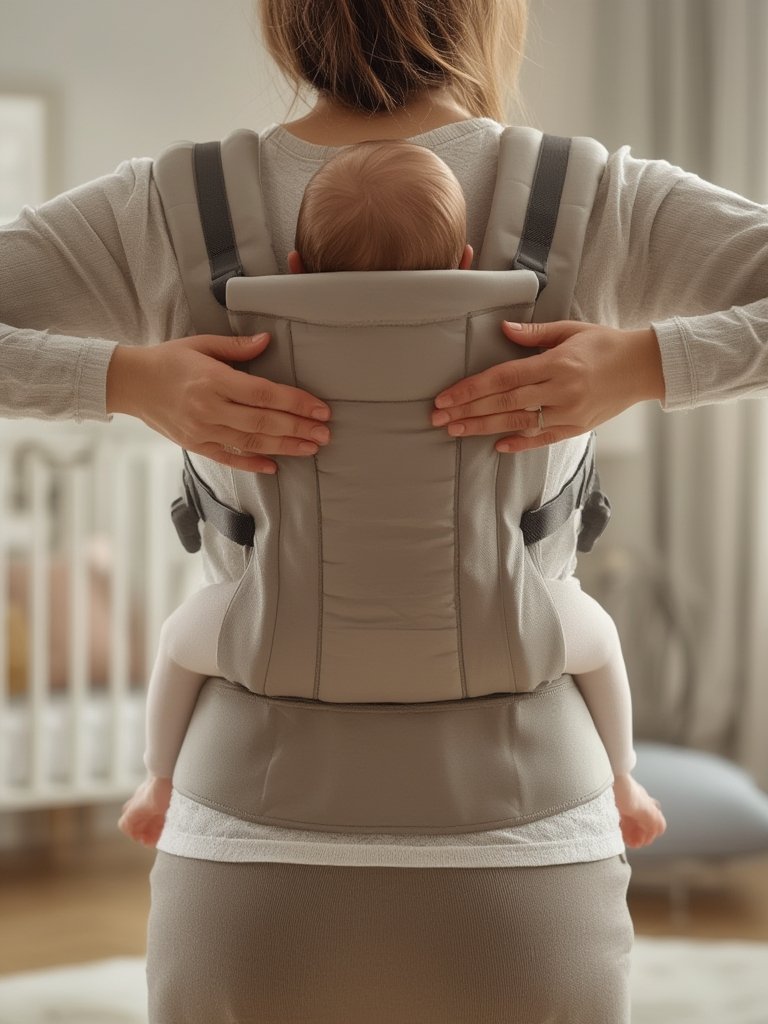
- Pick carriers with actual lumbar/waist support. Seek carriers labeled as “ergonomic” with a firm, wide waistband that sits at pelvic height (not just thin strap or fabric). Structured soft carriers, like those listed in our hip seat carrier guide, often provide the best load distribution.
- Adjust height and tightness. Pelvic-height carrying (higher and closer to your center of gravity) was shown to reduce lower back muscle activity (source).
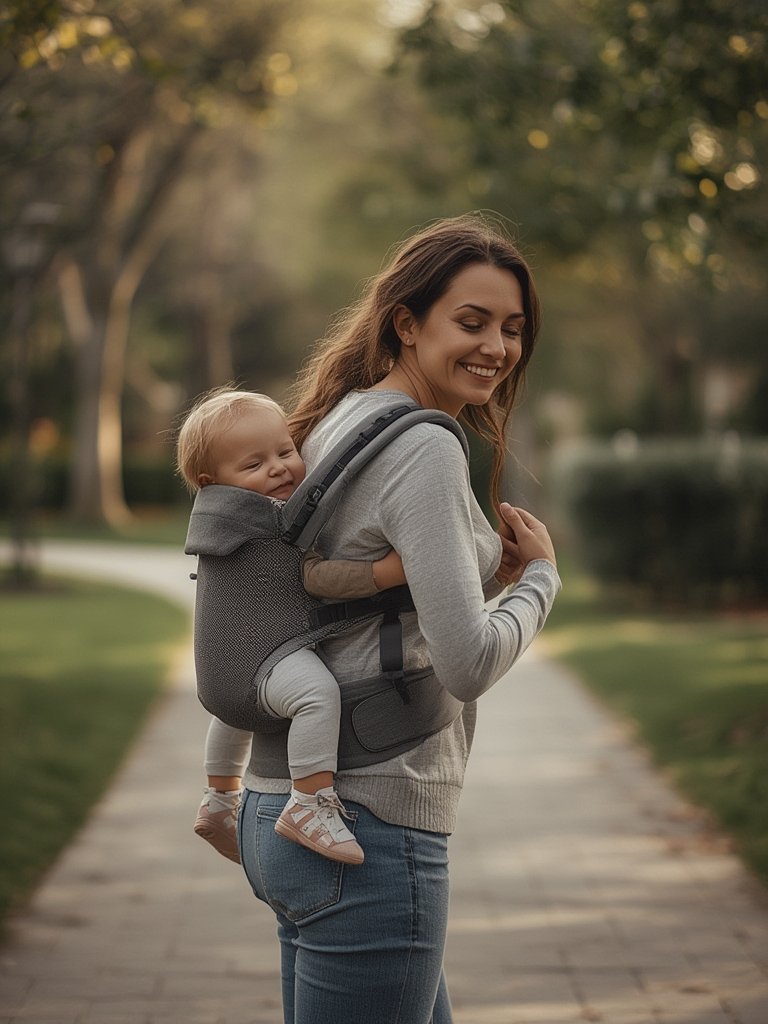
- Try back-carry for heavier babies. Back-carry positions minimize trunk/lower limb muscle fatigue for longer durations—key for parents with pre-existing pain or those carrying older infants. Consider models that offer easy back-carry conversion.
- Troubleshoot for body size and shape. Look for carriers with extra-long, highly adjustable shoulder and waist straps with strong buckles. Unfortunately, most carriers don’t publish max measurements, so read real user reviews (and check for free return policies).
- Limit carry duration and avoid fixed postures. Clinical evidence emphasizes frequent position changes, core stability exercises, and rest breaks. Especially if your baby is approaching the carrier’s upper weight limits, take frequent breaks (source).
- Explore compact alternatives for travel, like those mentioned in our best travel stroller for infant guide, if you need to reduce total carrying time.
- Combine babywearing breaks with a solid baby skincare routine to prevent heat rash and fabric irritation during extended use.
Advanced Analysis & Common Pitfalls
No baby carrier solves every back pain issue, and user experiences are highly individual. Here are some frequently overlooked problems, supported by the latest research.
| Carrier Style | Postural Support | Common Complaints | Known Limitations |
|---|---|---|---|
| Structured Soft Carrier (SSC) | Excellent if waist/pelvic support present; best for even weight distribution | Bulky on petite frames; limited fit data for plus-size parents | No clinical data split by body size or chronic pain; expensive |
| Ring Sling / Woven Wrap | Poor for lumbar; best for short, lightweight carries | Increased left-shoulder pain, risk of trunk fatigue | Ineffective for long durations or heavier babies |
| Back Carry (all types) | Lowers trunk/leg muscle load versus front carries | Setup can be tricky unassisted; not ideal for very young infants | Can strain upper shoulders if poorly fitted |
| Hip Seat Carrier | Good for plus-size comfort, reduces shoulder activation | Bulky and not hands-free; not recommended for long walks | Internal testing only; little peer-reviewed evidence |
Research highlights several user needs NOT addressed in most guides:
- No available real-world reviews from parents with chronic back pain, plus-size body types, or those carrying heavier babies—meaning fit and pain relief remain unpredictable (source).
- Clinical studies focus on short lab sessions, not daily-wear realities like summer heat, baby drooling, or diaper changes on the go. Our ring sling newborn safety guide highlights fabric and climate effects, which apply to back pain, too.
- No technical specification for plus-size dimensions—most carriers lack maximum waist/shoulder measurements or guidance for body types beyond “average.”
- Pricing and warranty policies are rarely transparent. Few carriers clarify their satisfaction or fit guarantees.
- Heavier babies increase back and shoulder muscle activation, but there’s no expert consensus on age or weight cutoffs for “safe” supportive carries (source).
Looking for smart baby gear upgrades? Our baby gear 2025 discounts guide covers strollers and travel systems that can help relieve daily carrying burdens.
Conclusion: Find the Right Baby Carrier for Back Pain
The best baby carrier for back pain is the one that fits your body, supports your lower back at pelvic height, and allows you to shift positions easily. Evidence favors structured carriers with firm lumbar support, even weight distribution, and frequent breaks—even though user reviews for plus-size and chronic pain aren’t widely published. Always test for fit, read return policies, and be prepared to experiment. Ready to find more family-friendly comfort tips? Explore our guides for newborn essentials and mesh baby carrier safety before you buy. Make the next step toward a pain-free babywearing journey today!
Frequently Asked Questions
Can a baby carrier really help with chronic back pain?
It can help by supporting your posture and distributing weight more evenly compared to arm carrying, but most studies show a high rate of back pain among carrier wearers. Pick a structured carrier with lumbar support and switch positions frequently.
What is the best carrying position for back pain?
Back carrying usually puts the least strain on your lower back and legs, especially for heavier babies. Pelvic-height carrying also lowers muscle activation. Always tighten straps securely and avoid slouching.
Are there any ergonomic carriers made specifically for plus-size parents?
Few brands publish specs for plus-size fit, and published studies don’t address this group. Look for models with extra-long straps and adjustable waists; test before committing if possible.
How long can I use a lumbar-support carrier with a heavy baby?
There’s no expert consensus on a safe weight or age cutoff, but heavier babies increase the load on your back. Take breaks, adjust the fit as your baby grows, and monitor your comfort constantly.
Are expensive carriers worth the price for pain relief?
Higher cost doesn’t guarantee better support, but structured, ergonomic carriers generally perform better in clinical studies. Always check warranty and return policies before investing.