

baseless infant car seat options are quickly becoming a go-to solution for city parents, frequent travelers, and anyone needing maximum flexibility when moving a newborn by car. But how safe and convenient are they compared to traditional car seats with a base? And what should parents know before using them in taxis, rental cars, and rideshares?
Key Takeaways
- Baseless infant car seats pass federal safety standards but may have structural limitations in high-impact or multi-crash scenarios compared to base models.
- Installation mistakes are common—even with baseless models—so careful attention to belt routing and tension is crucial for safety.
- For portability and quick use in taxis or shared rides, baseless car seats offer unmatched convenience but require extra installation vigilance.
- What Is a Baseless Infant Car Seat and Why Choose One?
- How to Install and Use a Baseless Infant Car Seat: Step-by-Step
- In-Depth Safety Analysis and Common Pitfalls
- Conclusion: Is Baseless Right for Your Needs?
- FAQs: Baseless Infant Car Seats
What Is a Baseless Infant Car Seat and Why Choose One?
A baseless infant car seat is a rear-facing seat designed to install directly into a vehicle using only the seat belt—without the need for a removable base. Popular for rideshare, taxi, air travel, and urban living, these seats promise ultra-portable protection, eliminating the hassle of carrying or transferring a bulky base between cars.
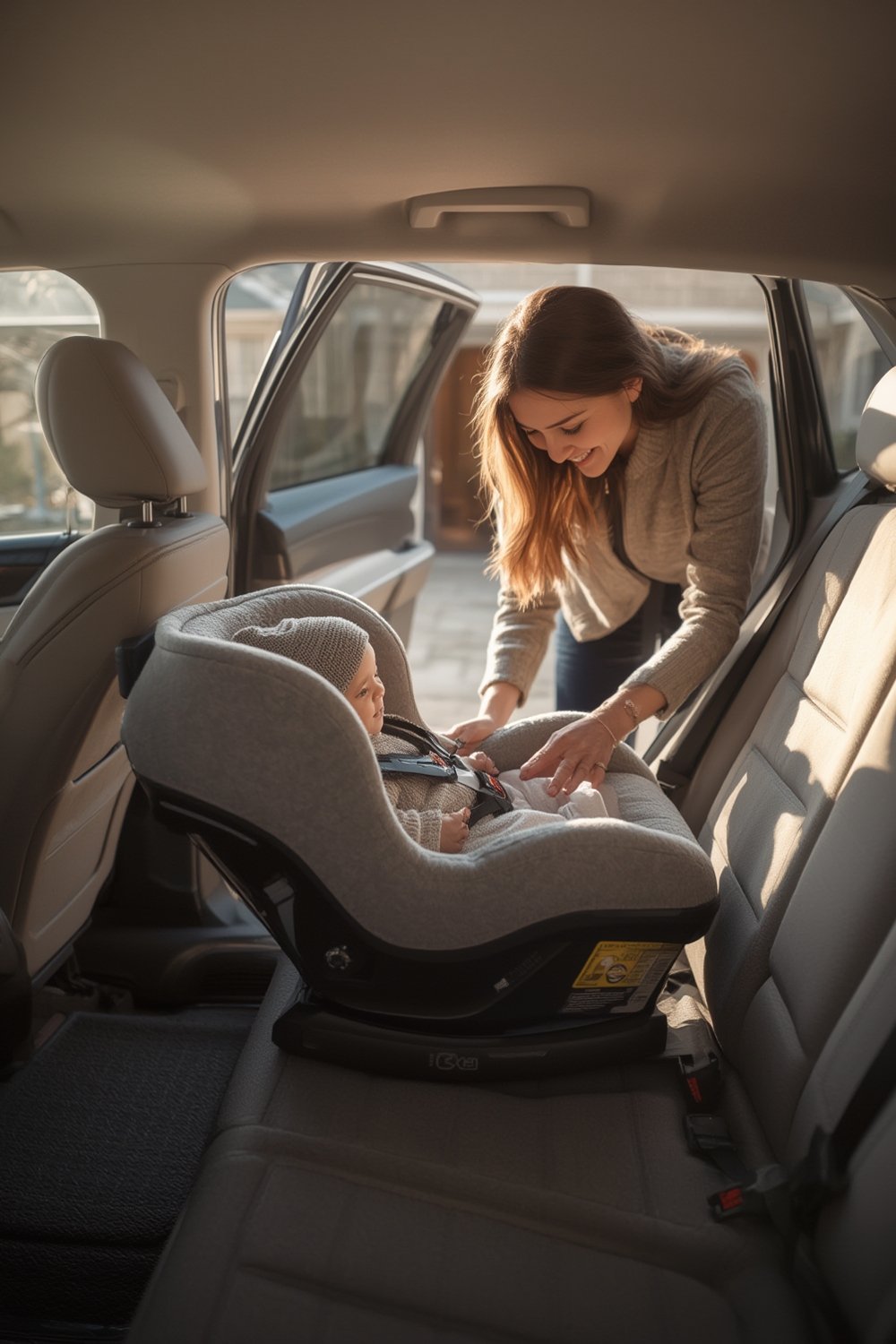
This setup is ideal for families using multiple vehicles or often switching between cars—think grandparents, caregivers, or city parents hopping in and out of Ubers and taxis. It’s also essential for international travel, where car seat bases may not fit unfamiliar vehicles.
For comparison, a traditional infant seat with base offers effortless “click-in” convenience and sometimes enhanced crash protection features. However, using only the carrier (without the base) is the official method in many countries—so baseless installation is both legal and sometimes necessary.
To help you evaluate your options, our breakdown focuses on safety data, ease of use, technical requirements, and common problems with baseless setups versus seats with bases.
How to Install and Use a Baseless Infant Car Seat: Step-by-Step
- Start With the Manual: Always review your car seat and vehicle manuals before attempting any install. Each brand has unique belt-routing paths or requirements.
- Select the Rear-Facing Position: Place the car seat on the vehicle seat. Ensure it sits flat (not tilted) and never install in front of an active airbag.
- Route the Seat Belt: Thread the vehicle lap and shoulder belt through the designated blue guides or channels along the car seat shell, following the manufacturer’s instructions closely.
- Buckle the Belt: Click the belt into the buckle, ensuring there are no twists. Pull the belt tight so the car seat cannot move more than one inch side-to-side at the belt path.
For locking seat belts (most modern cars), slowly pull out the shoulder belt until it clicks, then feed it back in to lock. For older vehicles, use a locking clip if required. - Check Recline Angle: Adjust the car seat to ensure an appropriate recline for your baby—the angle indicator on the seat helps prevent airway restriction.
- Secure the Harness: Place your baby in the seat. Buckle the harness and ensure it’s snug—you should not pinch any webbing at the shoulders.
- Test for Stability: Shake the car seat at the belt path (not at the top of the seat). It should not move more than one inch in any direction.
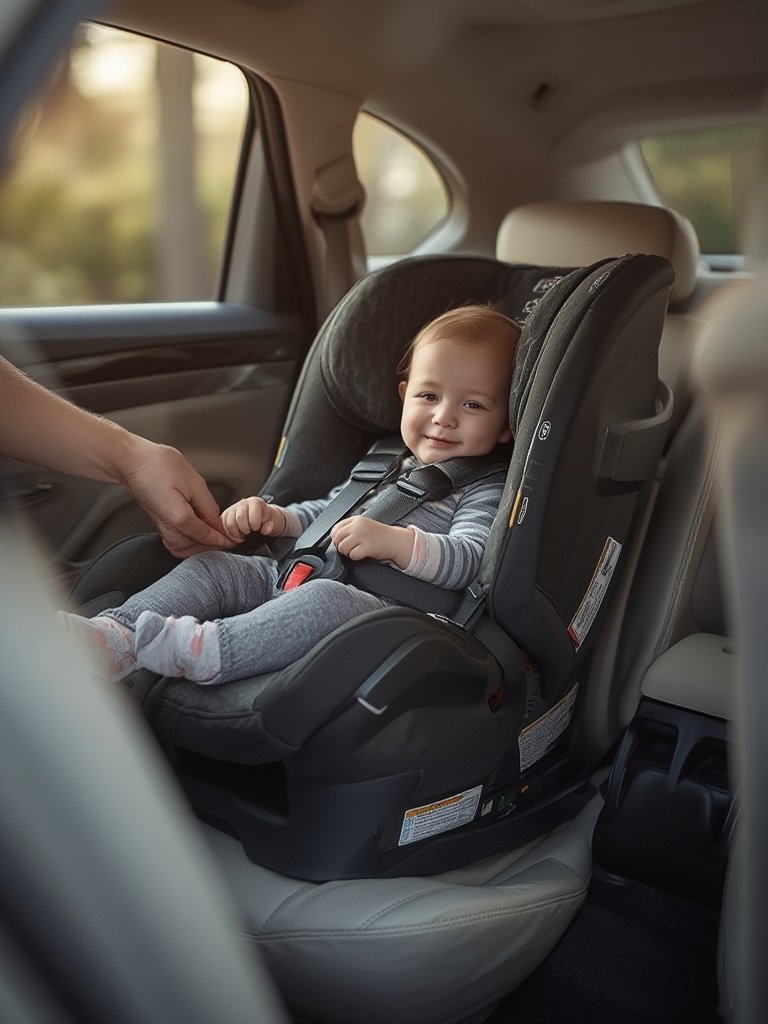
- Belt Routing Clips: Some models include helpful clips for holding the seat belt in place during installation. Use them as instructed for faster, more secure installs.
- Frequent Rideshare Use: If you’re using ride-hailing services often, opt for models with broad compatibility (such as those highlighted by recent ADAC safety tests), and keep a quick-reference installation card in your diaper bag.
- For Multi-Car Families: Consider storing clear instructional photos on your phone to refresh yourself or help caregivers install seats safely when swapping between vehicles.
If you’re searching for a more complete travel system for your infant, explore our breakdown of the best travel strollers for infants in 2025—many are compatible with baseless car seats and designed for parents on the move.
In-Depth Safety Analysis and Common Pitfalls
Although all baseless infant car seats on the U.S. market must meet federal crash test standards, not all perform equally when it comes to real-world safety and convenience. Here’s what the latest research and crash testing reveal for 2024:
| Model/Test | Crashworthiness (Real Tests) | Install Errors (Misuse Risk) | Travel Convenience | Certification |
|---|---|---|---|---|
| Peg Perego Primo Viaggio 4-35 Urban Mobility (Baseless) | Shell cracked in all 4 rear-facing tests with 12m and 30lb dummies; meets federal standards, rated “Basic” by CR | No incidents reported; meets minimum safety standards; higher concern for multi-impact crashes | Compact, good for taxis/rideshare, but structural integrity questioned | US Federal Standards |
| Cybex Cloud G (Baseless option) | Low injury risk in ADAC tests, rated Safety 1.7 | Optimal belt routing; low misuse risk due to clear instructions | Well-suited for travel and multi-car families | ADAC “Good”, European approved |
| Nuna Pipa Urbn | Low injury risk in ADAC (1.6), stable performance | Good belt routing, easy to install, low misuse rate | Excellent portability, multiple vehicle types | ADAC “Good” |
| Diono LiteClik30 XT (Base Model) | Carrier detached from base in 2/3 seat belt tests; secure with LATCH | Stays secure when LATCH is used for installation | Less portable; less practical for frequent car changes | US Federal Standards |
Common Installation Pitfalls:
- Loose installation: 67% of car seats in 2024 were installed incorrectly, with loose fitting as a leading issue (AAA source).
- Improper belt routing: Not threading the seat belt through the correct path risks serious injury, especially if the seat shifts or rotates in a crash.
- Overconfidence: Nearly half of parents believe they installed their seat correctly when large studies show otherwise (NHTSA press release).
- Using infant seats in front seats with airbags: Always install in the rear seat to prevent unnecessary risk to your child.
- Worn or twisted harness straps: Even with a perfect install, a slack harness may compromise safety. Snug the harness so you can’t pinch excess webbing.
To minimize missteps, seek out models praised for clear instructions and low misuse (as noted in 2024 ADAC tests). If you’re preparing your newborn essentials checklist, don’t overlook proper installation gear and spare instructional cards—see our up-to-date newborn essentials guide for more tips.
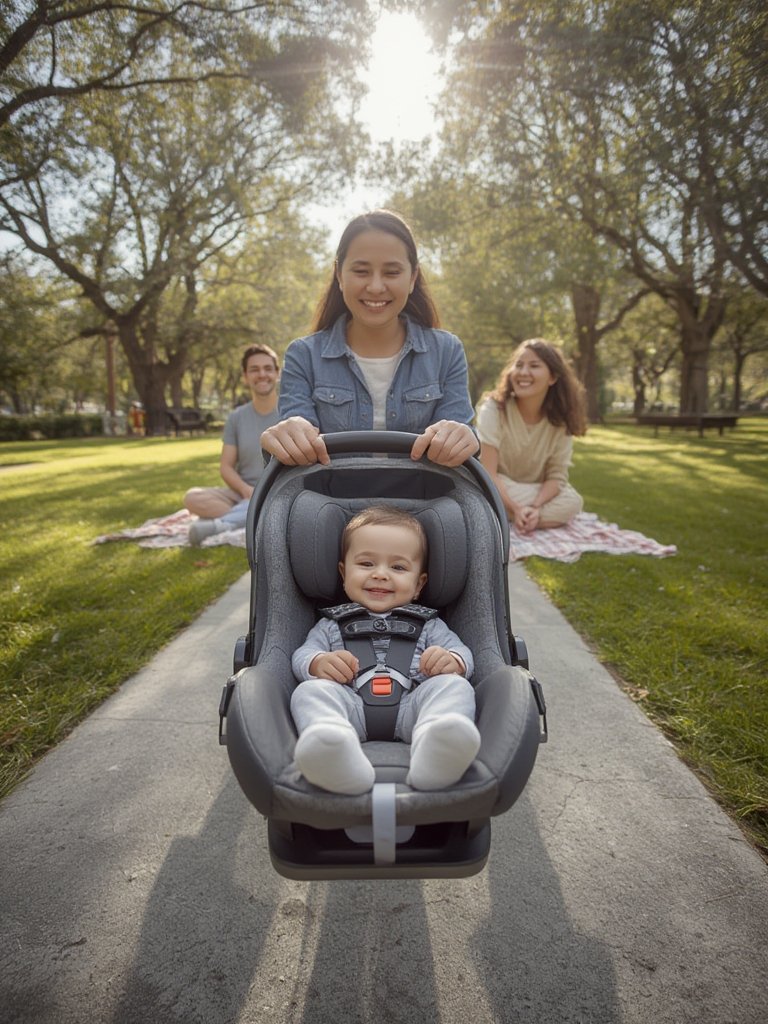
Other pitfalls include missing certifications for air travel. Most U.S. baseless car seats require the FAA red label for use on flights. For international standards, check for a “UN ECE R44/04” or “UN R129” mark if traveling abroad. It’s also wise to verify the chemical safety and pollution ratings provided in recent ADAC spring 2024 tests if your child has sensitive skin—see more on baby skincare must-haves for related concerns.
Conclusion: Is Baseless Right for Your Needs?
The right choice depends on how and where you’ll use your car seat. Baseless infant car seat systems provide unique portability—critical for taxis, rental cars, or international adventures. But installation takes practice, and not all models protect equally in extreme or repeated collisions according to independent crash tests.
To get the safest and most convenient experience, always review installation guides, double-check fit in every vehicle, and prioritize models praised for clear instructions and ease of use. If you want to compare black Friday deals or look for evolving 2025 trends, consider our 2025 baby gear and Black Friday guide for savings and new models.
When it comes to your newborn’s safety on the move, do not settle for “good enough”—master your baseless infant car seat installation and travel with confidence. Ready to find your perfect fit? Explore top portable car seats or check your checklist before your first ride today.
FAQs: Baseless Infant Car Seats
Are baseless infant car seats as safe as seats with a base?
All car seats sold in the U.S. must meet minimum federal safety standards, whether used with or without a base. However, independent crash tests have shown some baseless models may have more shell damage in severe crashes compared to base-equipped seats. Proper installation is critical for both types.
How do I know if my baseless infant car seat is installed correctly?
After routing the seat belt through the guides and buckling, the seat should not move more than one inch side-to-side at the belt path. The recline angle must match the indicator on the seat. Review your seat’s manual and practice is key.
Can I use a baseless infant car seat on airplanes?
Some baseless infant car seats are FAA-approved for airplane use. Check your seat for the official red FAA approval label and confirm with your airline before traveling.
Is LATCH installation possible with baseless car seats?
Most baseless models install solely using a vehicle seat belt. LATCH (lower anchors and tethers for children) is typically used with car seat bases, not directly with the seat’s carrier portion.
What weight and height limits do baseless infant car seats support?
Most models support infants from 4 to 30 pounds and up to 32 inches tall. Always check your seat’s manual for exact limits, and never use the seat above these guidelines.