

Extended rear facing safety is the single best thing you can do to protect your toddler in the car, but parents often have questions about how long is long enough, what models work for bigger kids, and what real-world tradeoffs exist with these seats.
Key Takeaways
- Extended rear-facing is recommended until your child reaches the car seat’s height or weight limit, often keeping even tall toddlers rear-facing until age 4 to 6.
- Height, not weight, usually forces earlier switching—be sure to check your seat’s headrest or standing height rules.
- There is no proven crash advantage for specific ages or sizes, but all leading safety groups and experts recommend staying rear-facing as long as possible.
- What Is Extended Rear Facing, and Why Does It Matter?
- How to Use an Extended Rear Facing Car Seat: Step-by-Step
- Advanced Analysis and Common Pitfalls: What Parents Need to Know
- Conclusion
- FAQ Section
What Is Extended Rear Facing, and Why Does It Matter?
Extended rear-facing means keeping your child rear-facing in a car seat after age 2, and ideally up to the maximum height and weight limits of the seat—these can range from 40 to 50 pounds and up to 49 inches, depending on the seat. The central reason: rear-facing provides dramatically better head and spine protection in frontal and side crashes, especially for children with larger heads and more fragile necks.

The American Academy of Pediatrics (AAP) and the National Highway Traffic Safety Administration (NHTSA) both recommend keeping children rear-facing as long as possible within your seat’s limits. For many families, this means using one of the new 50-pound rear-facing convertible car seats well past toddlerhood.
Advances in car seat engineering make it possible for even tall or heavy kids (90th or 95th percentile) to remain rear-facing safely until age 4 to 6. This approach has become the new gold standard—even though recent crash statistics by seat direction are not publicly available, all expert guidance continues to strongly favor rear-facing for as long as your seat allows.
How to Use an Extended Rear Facing Car Seat: Step-by-Step
-
Select the right seat for your child’s size:
- Choose a seat specifically rated for up to 50 pounds rear-facing and a height limit around 44-49 inches. Top recommendations include the Graco Premier 4Ever DLX Extend2Fit, Evenflo Gold Revolve360, Nuna Rava, Cybex Sirona S, and Clek Fllo. Always check the stated head position rule (usually “head must be 1 inch below the top of the headrest”). Read the detailed specs here.
-
Install the seat correctly for rear-facing:
- Read the manual fully for both your car seat and vehicle. Use either LATCH or seat belt (LATCH weight limits may cap out at 40 pounds; after that, always switch to seat belt for most models). Check for a tight install with less than 1 inch of movement at the belt path.
-
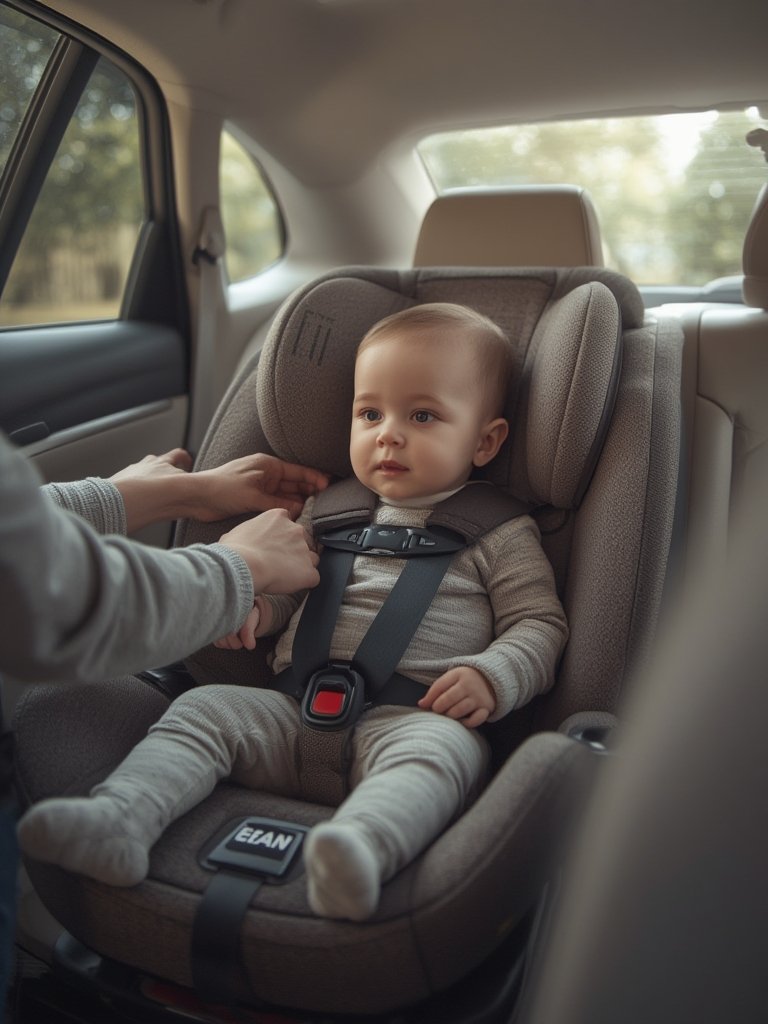
Position your child safely in the seat:
- Straps should be at or below shoulder level for rear-facing. Harness must be snug (unable to pinch any slack at the collarbone).
-
Check for fit every growth spurt:
- Measure both weight and standing height regularly. Height is the limiting factor for many tall kids; for most 50 lb seats, the child’s head must stay at least 1 inch below the adjustable headrest at its highest setting. If your child outgrows either measurement, it is time to turn forward-facing.
-
Plan for comfort as kids grow taller:
- Legroom can be tight for big toddlers. Kids can sit cross-legged, prop feet up, or rest legs on seatbacks—this is safe. If your car design makes rear-facing challenging for tall children, try installing the seat more upright within allowed angle range or try a seat with extra legroom (like the Graco Extend2Fit, with its slide-out extension panel).
-
Know when and how to switch to forward-facing:
- Do not switch before the rear-facing limit is reached. Current AAP/NHTSA guidelines strongly recommend the maximum rear-facing period possible. Document your child’s last rear-facing stats (height, weight, age) for your records.
Looking for a car seat for travel? See our detailed guide on the best travel car seat for airplane use, with tips for long flights and airport navigation.
If you need to fit three car seats in one row, check out the slim car seat 3 across guide for safe narrow seat options compatible with extended rear-facing.
Advanced Analysis and Common Pitfalls: What Parents Need to Know
Extended rear facing car seat use, while recommended, comes with specific realistic challenges. Here’s what most guides miss.
- No current crash statistics by seat direction: There are no published crash-injury or fatality numbers from 2022-2024 that directly compare extended rear-facing to forward-facing for ages 1-5. Safety experts still strongly agree: keep kids rear-facing as long as possible, based on decades of biomechanical and real-world crash data. Learn more about the reasoning here.
- Tall toddlers often outgrow rear-facing by height long before weight: For many children, the head-to-headrest measurement is the limiting factor. True 50 pound rear-facing use is rare—most children hit the height ceiling first (44-49 inches depending on model).
- Comfort, not safety, is the most reported problem: While rear-facing is physically safe for legs (children can fold, dangle, or cross legs), some toddlers complain, resist, or try to “escape.” There is little public data on how to solve this besides “distraction” or seat swapping between vehicles for variety.
- Higher cost for extended models: Expect to pay $200-$550 for 50-pound rear-facing seats, versus $100-$300 for most standard 40-pound convertibles. See the table below for recent price and feature ranges on leading models.
Model Example Price (MSRP) Features Unspecified Rotating $199.99 RF 4-50 lb/49 in, FF 22-65 lb/49 in Unspecified Convertible $299.99 RF 4-50 lb/48 in, FF 22-65 lb/49 in Cybex-like $550 ($399.99 some) RF 14-50 lb/25-43 in, FF 22-65 lb/30-49 in Evenflo Multimode $399.99 RF 4-50 lb/18-44 in, FF 22-65/30-57 in, Booster 40-120/40-57 in - Features but not special certifications: Look for features like rotation, no-rethread harnesses, extended legroom panels, or adjustable recline for comfort. There are no extra safety certifications beyond federal approval for these extended seats.
-
No clear age or size for “safest” forward switch: No published studies pinpoint the ideal age, height, or weight for turning a child forward-facing, so the “as long as possible within the seat limits” advice still stands.
If you want more practical safety tips for nonstandard car seats and real travel-life, check our baseless infant car seat guide.
For the latest laws and rule changes in your state, check your local DMV or visit the 2024 car seat laws update page.
Need more help with gear decisions for growing kids? Our baby gear 2025 recommendations explain stroller, car seat, and travel product upgrades in detail.

Conclusion
Keeping your child in an extended rear facing car seat is one of the most protective moves parents can make, but you need to act based on your seat’s real limits—especially height. No matter what size your child is, follow the “as long as possible” approach until you truly reach one of those limits. For product reviews or help with your car seat search, see our essentials list and stay up to date with current safety advice. Don’t guess—measure, check, and keep your child safer for longer!
Still have questions about fit, product choice, or making rear-facing work for travel and daily life? Explore our other parenting gear guides and reach out for a tailored answer today.
FAQ Section
How long should my child stay in a rear-facing car seat?
All top authorities recommend that your child remain rear-facing until they outgrow the height or weight limit of their car seat—which can mean age 4 to 6 for many extended models. There is no benefit to switching earlier unless limits are reached.
Is rear-facing still safer for toddlers with long legs?
Yes—leg discomfort is not a safety risk. Children can sit cross-legged, dangle, or even rest their feet on the seatback. There is no evidence of increased leg injuries rear-facing.
Do the biggest rear-facing car seats fit in small cars?
Some extended rear-facing models are large, but many fit in compact cars—try installing more upright (within allowed range) and consult our narrow car seat recommendations for three-across compatibility.
Can I use a convertible car seat from birth to age 5 or beyond?
Yes. Most convertible and multimode (3-in-1) car seats can be used rear-facing from birth up to 40-50 pounds, then forward-facing, then as a booster. Always check each mode’s height and weight limits for your specific seat.
Where can I learn more practical tips for travel car seats and baby safety?
Explore our best travel stroller for infant guide or inflatable travel booster safety guide for field-tested, realistic advice.