
Mesh baby carrier options help many parents keep their babies close during hot summer months, but making the right choice isn’t as simple as picking the first “breathable” option you see. If you want safe, comfortable babywearing even when temperatures soar, understanding the facts (and the gaps in the data) is essential.
Key Takeaways
- No lab-tested data or specific overheating statistics exist for mesh baby carrier options as of 2024—safety requires monitoring, not just marketing promises.
- Mesh carriers may improve airflow but cannot guarantee a baby won’t overheat; proper use, clothing choice, and vigilance remain key.
- Certification standards focus on mechanical safety, not temperature or breathability; avoid covering the carrier and always check your baby for overheating signs above 80°F.
- What Makes a Mesh Baby Carrier Worth Considering?
- How to Use a Mesh Baby Carrier in Hot Weather: Step-by-Step
- Advanced Analysis & Common Pitfalls
- Conclusion
- FAQ
What Makes a Mesh Baby Carrier Worth Considering?
Mesh baby carriers are marketed as a safer, cooler alternative for summer babywearing. The idea is simple: mesh fabrics supposedly allow more airflow than traditional cotton or synthetics. This can make outings more comfortable for parent and baby, particularly when temperatures rise above 80°F. It’s a smart approach in principle, since babies are less able to regulate heat than adults and can be at risk of overheating faster than most parents realize.
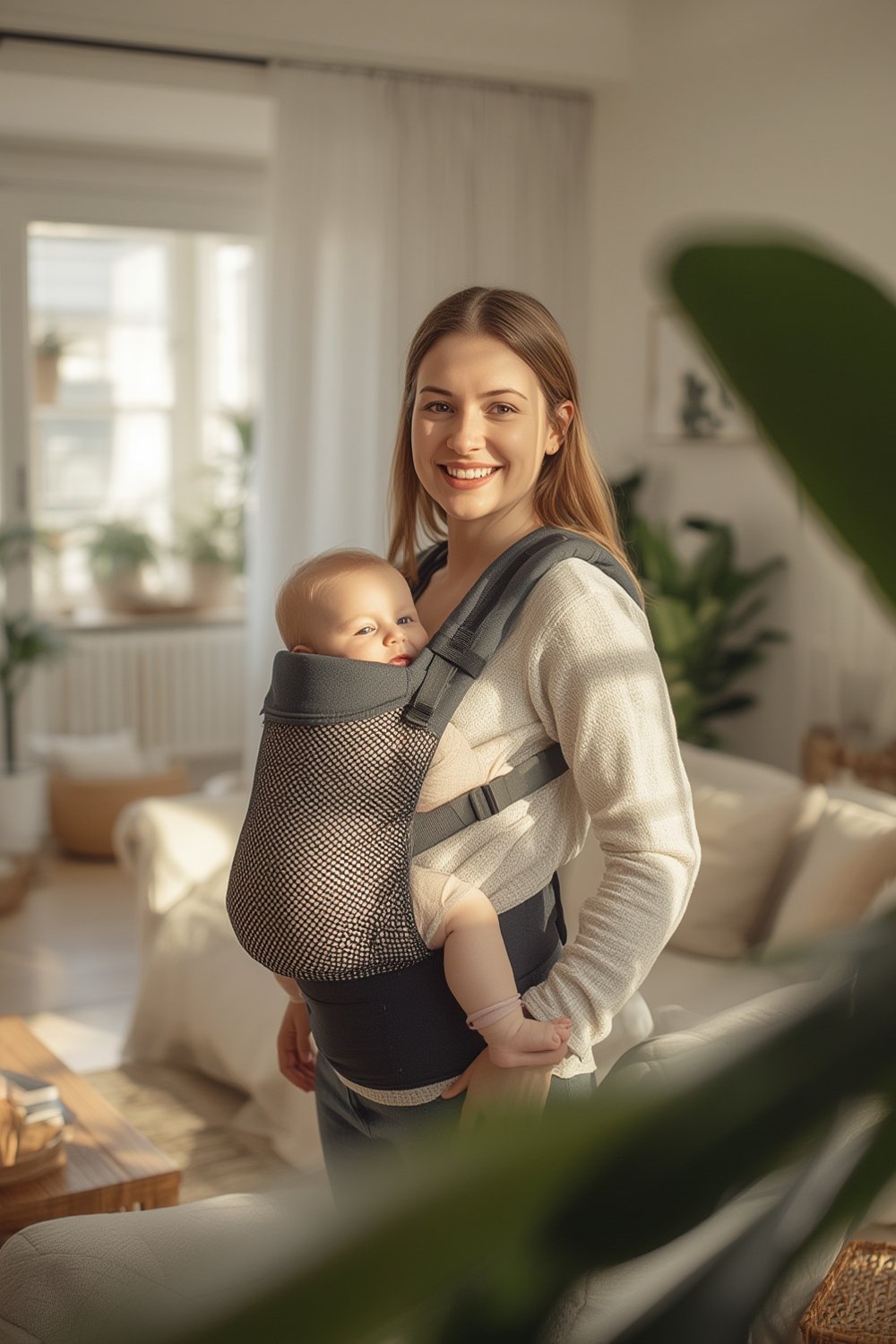
Here’s the catch: despite the popularity of mesh baby carrier designs, there is no independent, up-to-date lab testing proving that mesh models prevent overheating or outperform standard carriers on airflow, moisture-wicking, or comfort. Most expert guidance focuses on usage (like dressing your baby in light, breathable clothing and avoiding covers), rather than on material specs. No certifying body currently rates carriers on breathability; safety standards target hazards like suffocation or poor positioning, not heat risk (source).
The upshot? Mesh carriers may improve comfort—but for truly safe summer babywearing, vigilance and correct use are more important than the type of fabric alone. Always check your baby’s temperature frequently and recognize signs of heat stress (flushed skin, fussiness, sweating).
Looking to compare your options? Consider reading our guide to hip seat baby carrier styles, which can sometimes offer cooler wear for older infants.
How to Use a Mesh Baby Carrier in Hot Weather: Step-by-Step
-
Check the Temperature Before Heading Out
If it’s above 80°F (around 27°C), you need to be extra careful—babies can overheat quickly, especially in direct sun or high humidity. Consider timing walks for mornings or evenings to avoid peak heat.
-
Dress Your Baby in Light, Single Layers
Loose-fitting, moisture-wicking baby clothes are best. Cotton or bamboo are good options. Avoid hats that trap heat unless you’re in direct sun, and never bundle or swaddle inside a carrier.
-
Choose an Open, Mesh Baby Carrier (but Examine It Carefully)
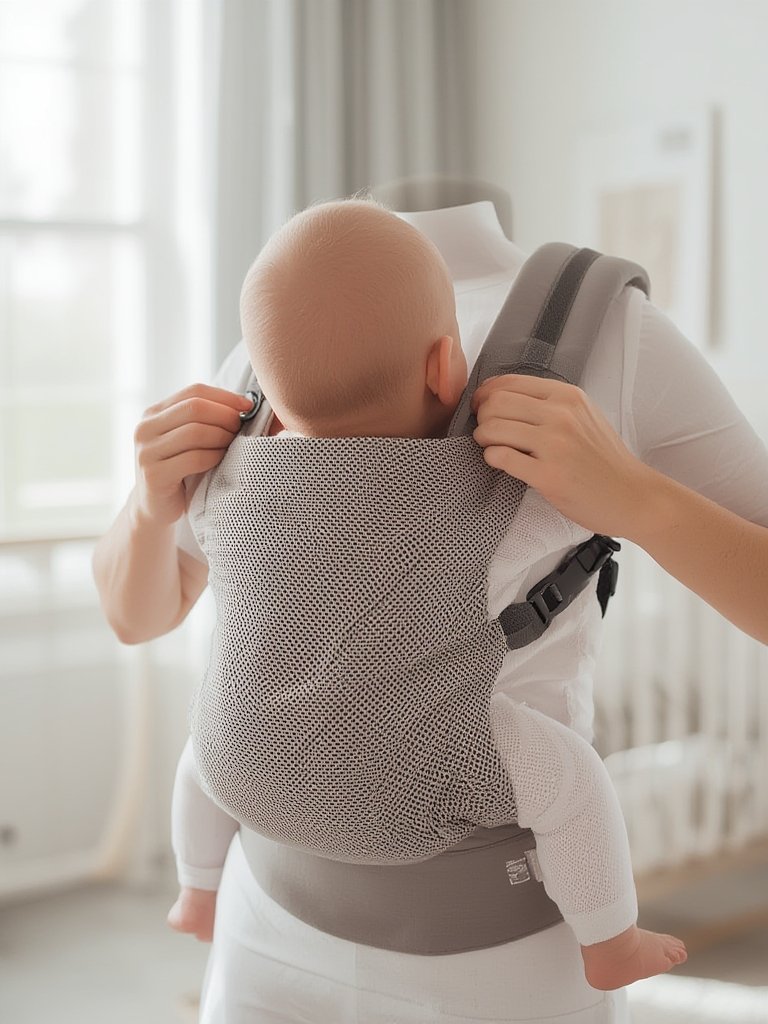
Look for wide mesh paneling—some carriers only have token mesh highlights, which may not do much for airflow. Also, check adjustability and support; a flimsy mesh doesn’t always mean better ventilation.
-
Double-Check Carrier Positioning
Make sure your baby’s face stays visible, uncovered, and clear of fabric—this is crucial for safe breathing and heat release.
-
Monitor Baby for Signs of Heat Stress—Often
Check for flushed cheeks, sweaty neck, or rapid breathing at least every 15 minutes on warm days. If in doubt, take the baby out.
-
Take Frequent Breaks and Find Shade
Pause every 20-30 minutes, offer fluids if age-appropriate, and step indoors if your baby feels warm to the touch.
For more on essential baby items for each season, don’t miss our newborn baby essentials list guide.
Advanced Analysis & Common Pitfalls
Despite booming demand (the ventilated baby carrier market reached $1.34 billion in 2024), there’s a stark absence of real-world data showing which mesh baby carrier designs actually keep babies cooler, or how much cooler they are compared to classic carriers (source). Here are some common pitfalls, backed by recent research and parent feedback:
-
Assuming “Mesh” Equals “Cool” or “Safe”
No manufacturer currently publishes third-party airflow or moisture ratings for mesh baby carriers. Some “mesh” carriers only have minor mesh panels or use dense polyester, which may not help heat escape. Always check for truly open mesh sections and use your own temperature checks.
-
Covering Your Carrier
Even light blankets, car seat covers, or muslin can dangerously reduce ventilation in a mesh carrier. The Vanderbilt University Medical Center warns never to drape covers over carriers outdoors. Always keep your baby’s face fully exposed.
-
Ignoring Warning Signs in Hot Weather
Fussy, flushed, sweaty babies often need to be removed and cooled immediately. Missed warning signs can lead to heat distress or worse. There were no specific overheating deaths recorded for carriers in 2024 data, but asphyxiation and positional dangers are real (CPSC 2024 Report).
-
Overrelying on Certifications
Mention of ASTM, JPMA, or even CPSC standards means a baby carrier meets basic mechanical safety—none currently certify for breathability, overheating resistance, or summer performance. Choose carriers from trusted brands but don’t assume certifications address every risk.
-
Missing Real Parent Feedback
Most 2024 sources contain few, if any, negative user reviews on mesh carrier heat performance. The lack of critical real-life details means you should consult trusted parenting communities or try models in person when possible for your family’s specific needs.
| Feature | Mesh Baby Carrier (Typical, 2024) | Traditional Baby Carrier |
|---|---|---|
| Ventilation | Generally higher—but not always measured or specified | Usually less; most have solid fabrics or limited mesh |
| Moisture-Wicking | Claims exist, but no standardized metric published | Highly variable; cotton absorbs moisture, synthetics can trap heat |
| Weight | Often slightly lighter, but depends on model | Some models heavy, especially with padding |
| Certifications | CPSC/ASTM for structural safety—not for temperature | CPSC/ASTM for structural safety |
| Price Range | Not specifically disclosed as of 2024 | Highly variable, often similar to mesh models |
If you’re also considering stroller travel to beat the heat, our guides to the best travel stroller for infants and ultra lightweight stroller picks can help round out your summer gear.
Conclusion
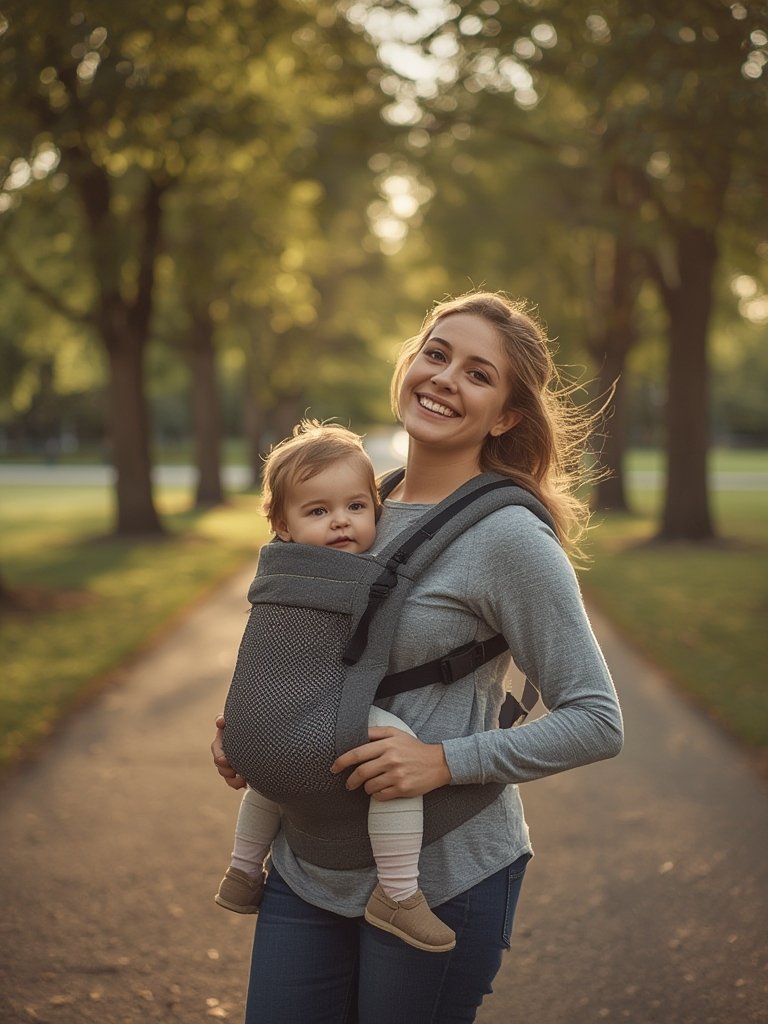
Choosing a mesh baby carrier for summer use should be based on realistic expectations and safe practices—not just on marketing claims. There is no current scientific or regulatory proof that mesh baby carriers alone can prevent overheating, but when combined with the right clothing, regular checks, and caution, they can be a valuable tool for warm-weather babywearing. Always stay alert for heat signs, skip covers, and try mesh carriers in person before buying, if possible.
Your focus should be on keeping your child safe and comfortable—and that means understanding the limits of any mesh baby carrier you use. Ready to upgrade your baby gear? Explore our top picks for baby gear and deals in 2025 and find supportive resources for everything from baby skincare to trusted car seats.
FAQ
How do I know if a mesh baby carrier is actually breathable?
True breathability is difficult to guarantee, as there are no required industry tests for mesh airflow. Look for large open weave mesh panels, not just tiny mesh accents. Always monitor your baby during use, regardless of fabric claims.
Can I use a mesh baby carrier for a newborn in summer?
Yes, if the carrier supports a safe newborn carry position. However, never rely on mesh alone to prevent overheating—dress your newborn lightly, avoid covers, and check for fussiness or flushed skin often.
What signs of overheating should I watch for when using any carrier?
Monitor for flushed cheeks, heavy sweating, fussiness, rapid breathing, or heat rash. If your baby displays any of these signs, remove them from the carrier and move to a cooler environment right away.
Are any brands independently tested for cooling or airflow?
No major mesh baby carrier brands publish independent laboratory airflow testing or official “cooling” certifications as of 2024. Product claims are not federally regulated for breathability.
Can mesh baby carriers be used for travel?
Absolutely—lightweight mesh carriers are popular for vacations and outings. If you plan to travel, see our advice on pairing carriers with travel car seats or inflatable booster seats for complete on-the-go solutions.