

### Blog Post:
Non contact breathing monitor baby solutions are quickly becoming a go-to choice for safety-conscious parents seeking peace of mind during naptime and overnight. With new technology emerging in 2024, understanding the real advantages, the hidden limitations, and how to actually set up these monitors at home is critical for parents who want up-to-date advice on what really works—and what actually doesn’t.
Key Takeaways
- Non-contact breathing monitors use advanced radar or camera-based technology to track your baby’s breathing without touching the skin, minimizing discomfort and skin irritation.
- Accuracy rates now approach those of wearable devices in clinical studies, but typical consumer versions still come with some important practical challenges, including potential false alarms and privacy considerations.
- Before buying, always weigh real-world issues like device placement, privacy, missing regulatory endorsements, and the lack of detailed user feedback—many competitor blogs overlook these crucial factors.
- 1. The Core Concept: What Is a Non Contact Breathing Monitor for Baby?
- 2. Step-by-Step Guide: How To Set Up and Use a Non Contact Breathing Monitor Baby
- 3. Advanced Analysis & Common Pitfalls
- 4. Conclusion
- 5. FAQ
The Core Concept: What Is a Non Contact Breathing Monitor for Baby?
Non contact breathing monitors for babies are smart devices designed to track your baby’s breath movements without requiring any sensors, socks, or bands touching their skin. Instead, these monitors use either radar-based or camera-based systems to detect the subtle rise and fall of the chest from a short distance. This approach is especially useful when traditional wearables might cause discomfort, skin irritation, or simply don’t stay in place for squirmy infants. Recent market data shows a strong shift—parents are increasingly drawn to contactless options, particularly for newborns and NICU settings, where minimizing direct contact is crucial.
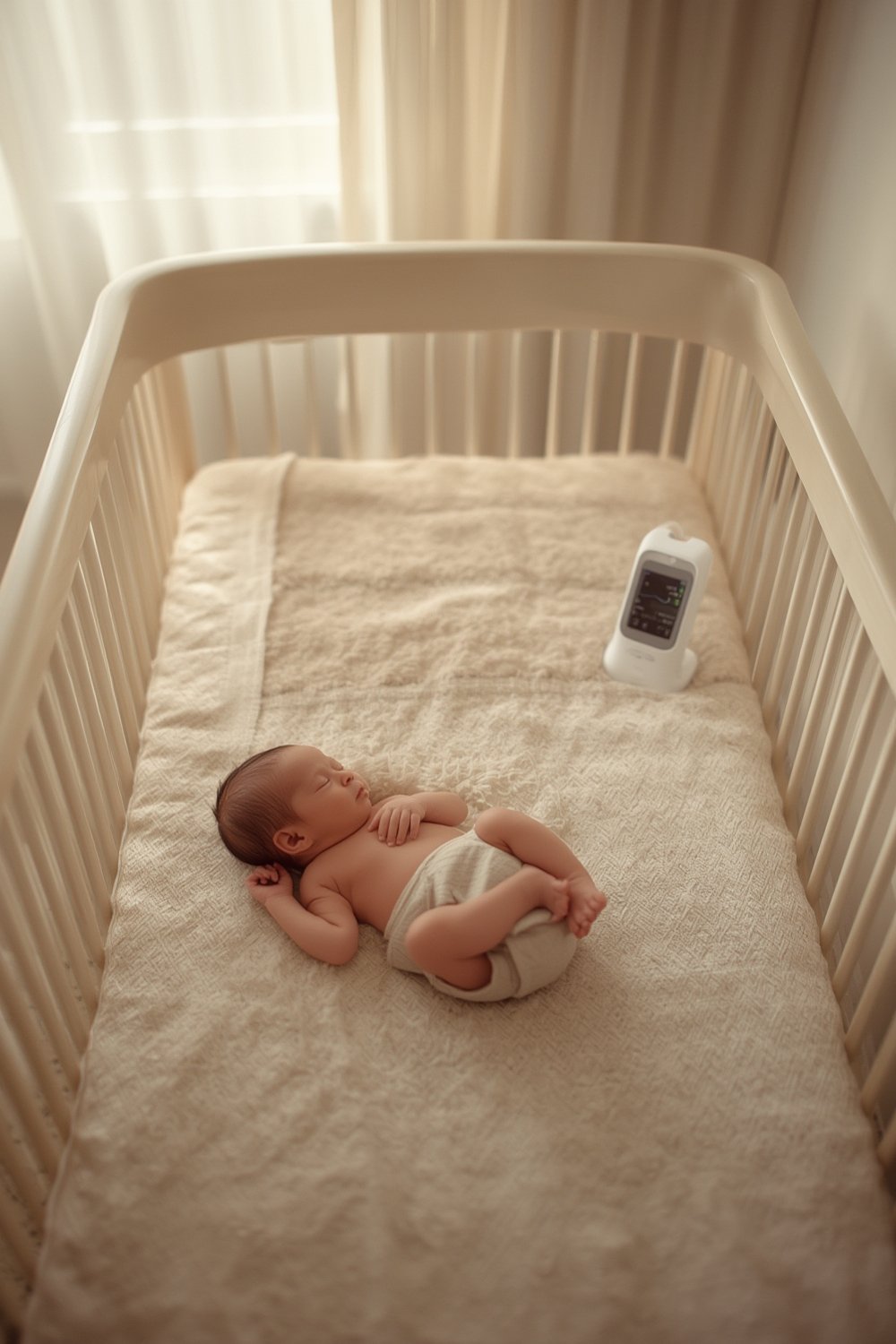
Technically, non-contact monitors typically work through either:
- Radar technology: Sends low-power radio waves to detect slightest chest and abdomen movement from a distance, even through clothing or an isolette.
- Camera technology: Uses video, near-infrared (NIR), or thermal sensors to track respiratory movement and sometimes oxygen saturation visually.
Parents appreciate the comfort and hygiene benefits, as well as the technical ability to collect respiratory data without skin irritation (source). As the smart baby gear market grows—just like travel strollers for babies and infant skincare essentials—these monitors are joining the core list of modern nursery must-haves for safety and reassurance.
Step-by-Step Guide: How To Set Up and Use a Non Contact Breathing Monitor Baby
Getting a non contact baby breathing monitor up and running is easier than you’d think, but a few practical steps can save you hours of troubleshooting and give you maximum confidence at night.
- Choose the Best Location
Set up the monitor on a stable surface (like a shelf or mounted on the crib rail per guidelines). The ideal spot is usually directly facing the baby’s chest/torso at a manufacturer-recommended height and angle. Some camera-based models work best slightly above and to the side, but radar-based models often require line-of-sight. Avoid placing objects between the device and your baby. - Connect and Start Calibration
Power up the monitor, connect to Wi-Fi if required, and use the app or device screen to begin initial calibration. When prompted, keep the crib empty for baseline readings, then add your baby and check signal strength or test movement detection. Some monitors show a ‘breath waveform’ or signal quality indicator. - Link Parent Notifications
Sync the app with your phone or smart home system. Set how you want to receive alerts (audio, vibration, or push notification), and test the notification flow so you’re never surprised if the device does go off. - Adjust Sensitivity and Zones
Many modern models let you tweak motion sensitivity or set custom detection zones in the app—use these features to prevent pets, fans, or curtains from triggering false alerts. Adjust until you get consistent, accurate readings. - Routine Testing
Occasionally check the monitor with your baby napping and while awake to ensure the device is tracking changes in respiratory motion. Always verify both in low-light and normal lighting conditions, especially for camera-based systems.
If you’re building your nursery for the future, consider pairing this with other nursery essentials found in our comprehensive baby essentials list. - Stay Mindful of Connectivity
For smart monitors, a stable Wi-Fi connection is crucial. If your nursery has a weak signal, consider a Wi-Fi extender for uninterrupted performance.
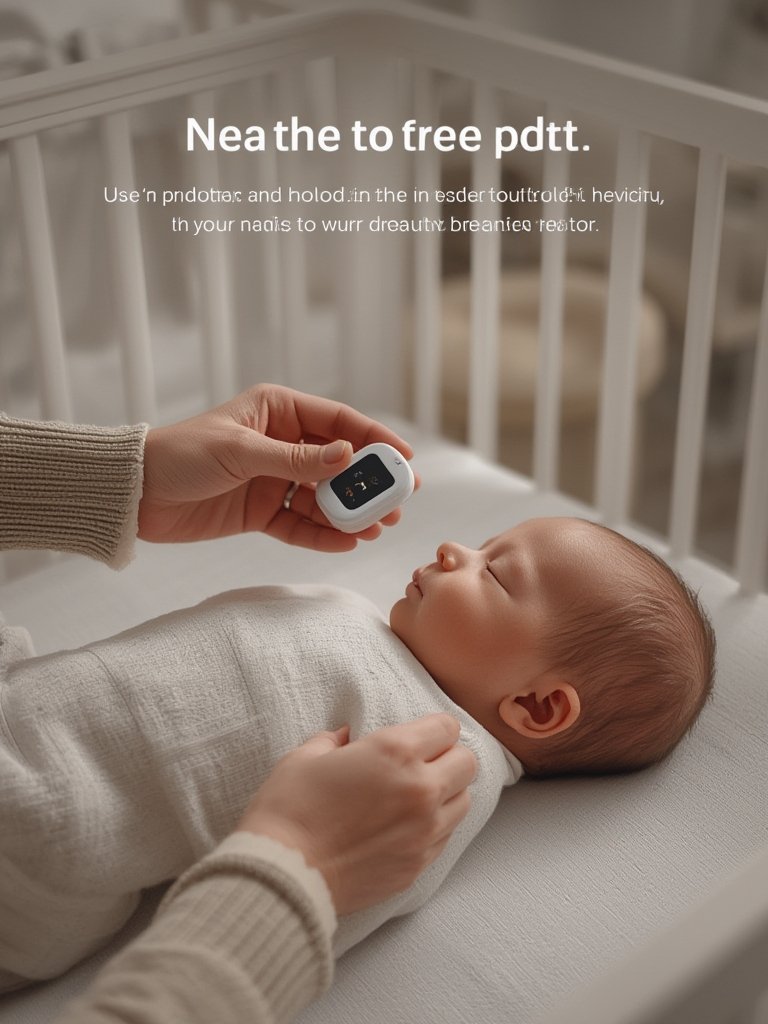
While you’re at it, double-check any sleepwear, swaddles, or covers—thick blankets can sometimes interfere with chest motion detection for both radar and camera-based monitors. Avoid bulky bedding as you might with a baby skincare routine to protect sensitive infant skin.
Don’t forget: most non-contact monitors need periodic cleaning—wipe camera lenses gently and keep vents clear of dust, just as you regularly clean strollers or car seats (get top hacks for this in our car seat cleaning guide for ideas).
Advanced Analysis & Common Pitfalls
Non-contact breathing monitors have evolved fast, but they aren’t perfect. Parents often expect zero-false-alarm reliability, but the reality is nuanced—technical constraints and improper setup can cause frustration, especially in the first week of use.
| Feature | Non Contact (Camera/Radar) | Wearable (Sock/Band) |
|---|---|---|
| Average Accuracy (RR error) | <5–7 breaths/minute vs clinical reference (source) | Typically 2–4 breaths/minute, but may be less accurate with smaller/active infants |
| Comfort for Infants | No skin contact, best for sensitive skin or NICU | May cause irritation or discomfort, especially for newborns |
| False Alarm Reporting | No public user statistics; false alerts possible with poor alignment/obstructions | More likely if socks/slips are loose or battery runs out |
| Data Privacy & Security | No industry transparency; unclear if data is encrypted or cloud stored | Similar risks, but fewer video privacy concerns |
| Cost & Subscriptions | 2024 product pricing not public; expect cost to be similar to smart camera monitors, possibly with monthly fees | Most high-end models require monthly subscriptions; see more on smart baby monitor costs here |
| Regulatory Endorsements | No FDA or clinical endorsements as of 2024 (source) | Also no FDA clearance for direct consumer models |
- Potential Pitfalls:
- Misplaced monitors cause missed detections or excess false alerts. Precise setup is non-negotiable.
- Lack of real parent feedback: Industry and academic data rarely covers daily annoyances like false positives, software bugs, or customer support issues.
- Privacy concern blind spot: Few brands openly explain video, audio, and breathing data encryption or cloud policies.
- Recurring costs: Many users are caught off-guard by required apps or cloud subscriptions after the first purchase.
- No regulatory guarantee: While these devices deliver impressive tech, neither contactless nor popular wearable models carry FDA endorsements for home apnea detection.
If you’re searching for other ways to maximize your baby’s health and safety beyond monitors, see our guide to buying the right baby gear in 2025, or tips on safe in-transit sleeping in a rear facing car seat.

Conclusion
Contactless monitors are moving mainstream because they sidestep infant discomfort and potential skin problems while still providing data parents crave. However, these advances come with trade-offs—setup precision, possible privacy loopholes, recurring costs, and the notable lack of regulatory endorsement. If you’re on the fence, consider whether your family prioritizes zero-contact solutions over maximum accuracy and regulatory reassurance.
Done right, a non contact breathing monitor baby system can add another layer of peace of mind—but it should be one part of your bigger safe sleep and nursery setup. Stay informed, check for software updates, and weigh privacy policies before purchasing. Ready to take the next step? Compare market options, read real reviews, and always pair with safe sleep foundations for best results.
FAQ
Are non contact breathing monitors for babies as accurate as wearables?
In clinical settings, radar-based and camera-based contactless monitors can track respiratory rates within 5–7 breaths per minute of reference devices. However, home accuracy depends on setup and absence of obstructions. Wearables may be slightly more precise but are less usable with preemies or babies with skin sensitivities (source).
Do non contact breathing monitors require a monthly subscription?
Some brands sell the monitor outright, but many require ongoing app or cloud fees for full functionality. Always check product details for subscription terms before buying.
Can non contact monitors trigger false alarms?
Yes. Common triggers include poor positioning, objects interfering with the signal, loose swaddles, or background movement (like fans or pets). Regular test runs help reduce nuisance alerts.
Is my baby’s data and privacy protected with camera-based monitors?
Few brands share details on data encryption or storage. For camera-based models, look for end-to-end encryption, local storage options, and read privacy policies carefully.
Are any non contact breathing baby monitors FDA cleared?
As of 2024, there are no direct FDA clearances or clinical endorsements for consumer-targeted non contact baby breathing monitors or popular wearables (source).
—