

rotating car seat models have changed the way parents approach child safety and convenience in vehicles, but their true value depends on careful selection, thorough understanding of safety standards, and awareness of potential real-world issues. If you’re considering a rotating car seat in 2024, this in-depth guide is for you.
Key Takeaways
- Rotating car seats simplify loading and unloading but are heavier and bulkier than traditional options.
- Crash test ratings (like ADAC, Swedish Plus, and NHTSA) reveal large performance differences among models—always check before you buy.
- Premium models deliver outstanding safety and ease-of-use, but have higher prices and may not fit all vehicles.
- What Are Rotating Car Seats and Why Consider One?
- How to Choose and Use a Rotating Car Seat: Step-by-Step Guide
- Advanced Analysis: Safety, Pitfalls, and Model Comparisons
- Conclusion
- FAQ
What Are Rotating Car Seats and Why Consider One?
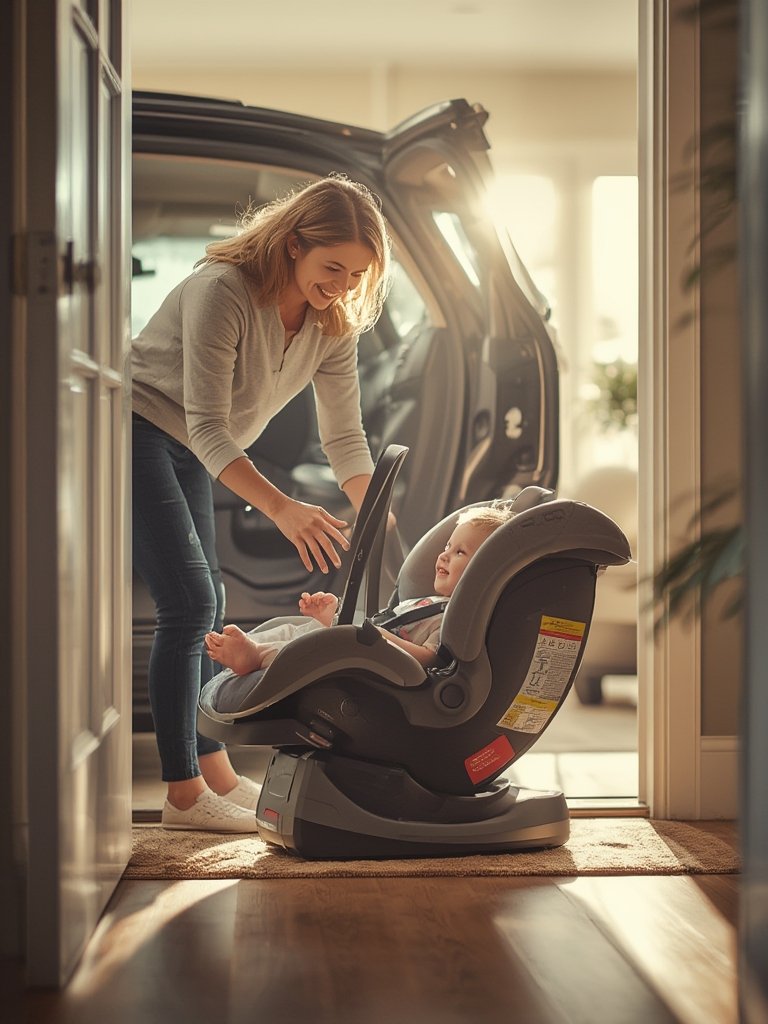
Rotating car seats are child car seats mounted on a swivel base, allowing you to turn the seat toward the car door for easier placement and removal of children. Many models rotate 180 or 360 degrees, and some also tilt or recline for additional comfort.
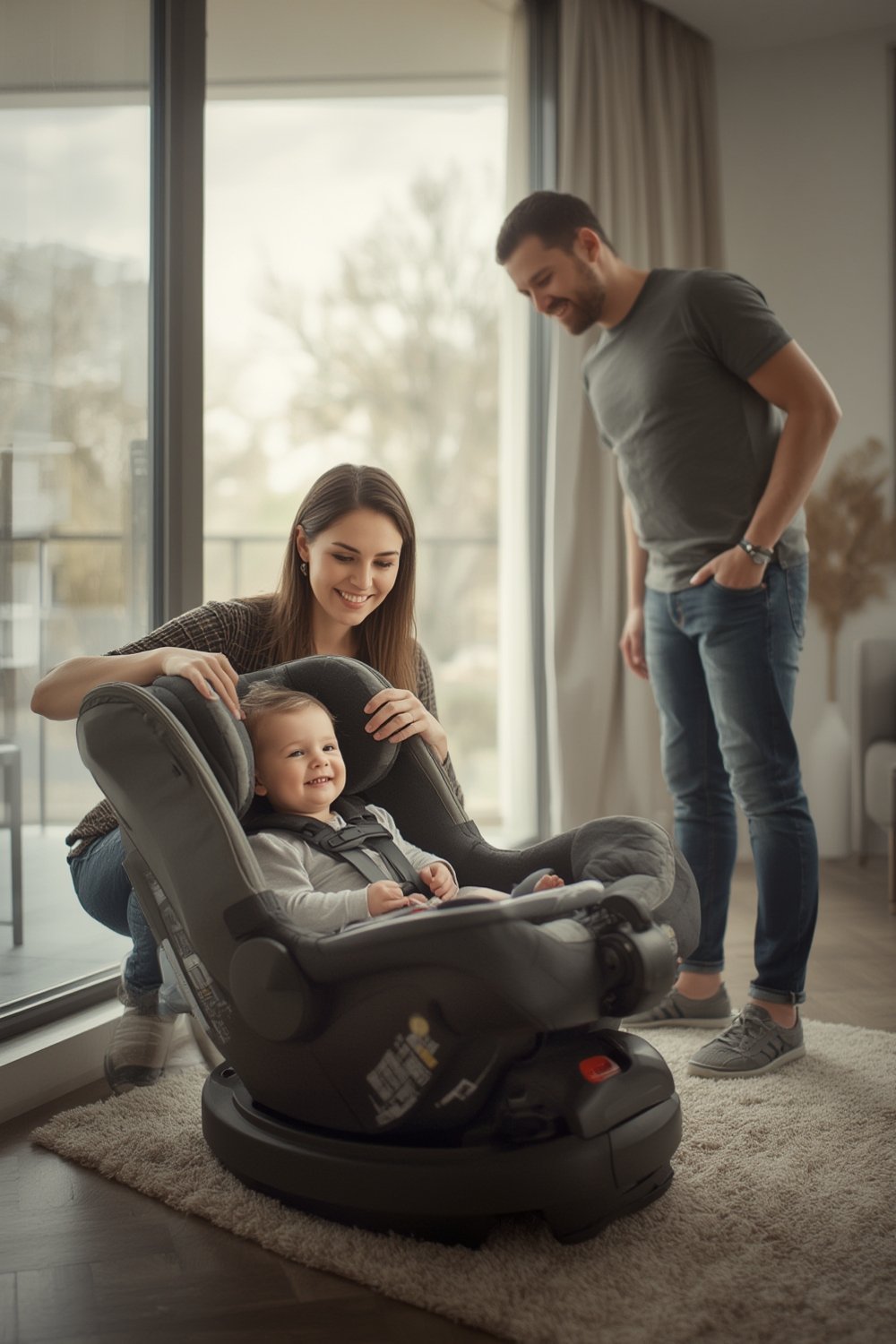
This innovation is a direct response to caregiver pain points: bending, twisting, and wrestling with toddlers in tight back seats. Rotating mechanisms are now paired with top-tier safety performance—many models meet the newest R129/i-Size standards (Europe/UK) or pass rigorous NHTSA (US) crash testing. Some models, like the Joie i-Spin Safe, even clear the Swedish Plus Test, which is among the world’s strictest benchmarks.
Besides safety and convenience, rotating seats reduce the physical strain involved in buckling children, especially important for parents or caregivers with mobility concerns, back issues, or for those loading children in compact cars.
However, these seats are heavier and costlier than traditional models, and their larger footprint can create space compatibility issues—especially in smaller vehicles or when carpooling with multiple children. It’s important to weigh these factors honestly for your family and car.
How to Choose and Use a Rotating Car Seat: Step-by-Step Guide
Picking the best rotating car seat involves more than reading online ratings. Here’s how to ensure you choose wisely and use your seat safely every day:
- Check and Compare Safety Ratings: Review independent crash test results. European buyers should look for ADAC scores (1.6 = very good; 2.1 = good) and Swedish Plus Test clearance. US buyers should look for NHTSA testing or ratings in Consumer Reports. Cybex Sirona S, Nuna Revv, and Baby Jogger City Turn are standout performers per Consumer Reports.
- Match Limits to Your Child’s Size and Your Vehicle: Don’t just shop by age. Some seats, like the Evenflo Revolve360 Slim (recommended by The Car Mom), support rear facing up to 50lbs/48″. European models might offer 40–105cm height limits but stop rear facing earlier. Ensure the seat fits behind your driver/front passenger—even top choices like the Graco EasyTurn 360 and Maxi-Cosi i-Spin Safe can be long front-to-back.
- Evaluate Features for Daily Use: Prioritize recline positions (more is better), easy-to-remove covers for cleaning, and magnetic or easy-buckle systems. Consider whether you need ISOFIX (i-Size in EU/UK) versus seat belt install. Check for anti-rebound bars and support legs, which boost stability but require underseat space.
- Plan for Long-Term Value: Some rotating seats (for example, Graco 4Ever DLX) transition from infant rear-facing to forward-facing and even booster mode. Check the warranty (many are two years, but this info is rarely shown up front—ask the retailer).
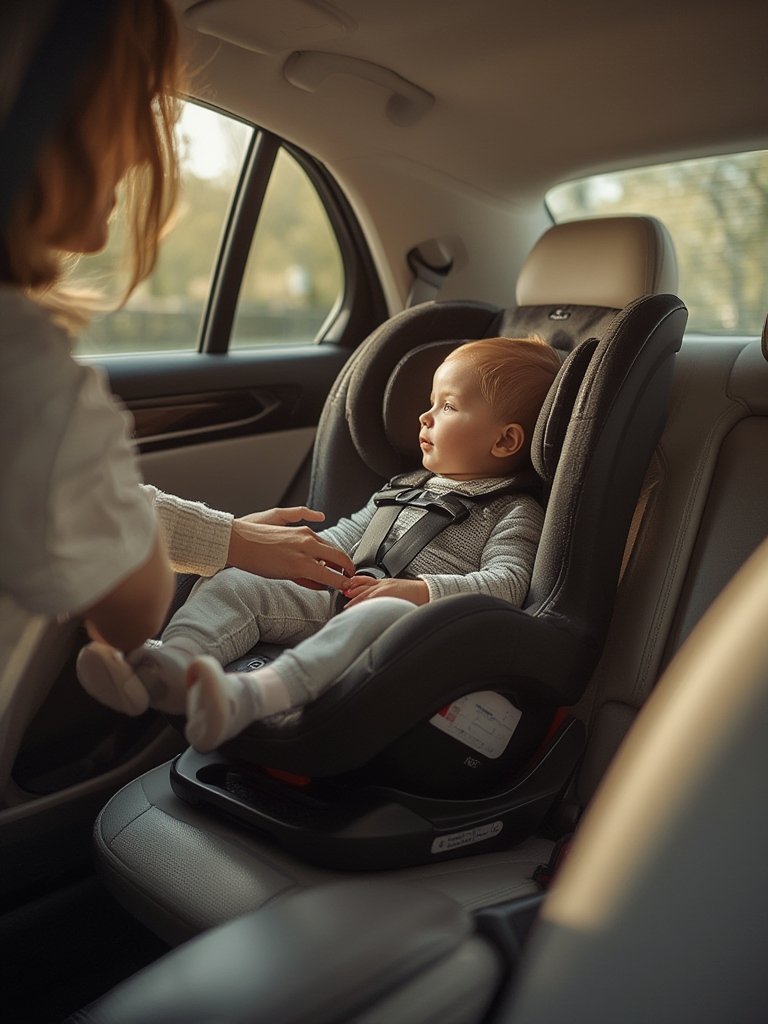
- Install Carefully and Test Rotation: Follow the manual. Use your region’s guidelines—US seats must meet NHTSA criteria, EU/UK follow R129/i-Size or older R44. Double-check that the rotation mechanism locks firmly in place—some users report wobbling if the support leg isn’t on solid ground.
- Travel Tips: Most rotating car seats are NOT approved as aircraft seats due to their size and base attachment. If frequent flying is in your future, also read our guide on best travel strollers for infants for airline-compliant options.
- Everyday Usage: Minimize clutter near the base to allow for full rotation. If possible, practice buckling/unbuckling and rotating with your child before the first real trip so you’re comfortable and confident.
Want a full essentials list for new parents? Check our Newborn Baby Essentials List for more practical choices.
Advanced Analysis: Safety, Pitfalls, and Model Comparisons
Rotating car seats offer substantial benefits, but several real challenges, limitations, and pain points come up in user feedback and expert analysis.
Common Pitfalls to Avoid
- Heaviness: Most models weigh 11–15.5kg, making them difficult to move between vehicles or remove for cleaning (MadeForMums).
- Bulky Design: Seats like the Cybex Sirona S or Maxi-Cosi i-Spin Safe require extra room front-to-back, often infringing on front passenger space—problematic in compact cars.
- Cost: Premium models are typically $350–$550 USD or £270–£500; lower-cost options may lack advanced safety features or premium build quality.
- No Travel System Compatibility: These seats are rarely compatible with strollers, unlike infant carrier seats (The Bump).
- Questionable Durability for Frequent Transfers: Some users report wear in the rotation mechanism or fabric pilling with heavy use.
- Installation Sensitivity: If support legs or rebound bars aren’t correctly positioned (or don’t fit due to a sloping floor), stability suffers and so does safety.
- Limited Real-Life Usability Data: While many seats claim “easy installation,” reviews highlight a steep learning curve, especially for first-time parents.
Comparison Table: Leading Rotating Car Seat Models (2024)
| Model | Safety Rating (ADAC/NHTSA) |
Rotation | Rear-facing Limit | Install/Regulation | Key Features | Typical Price |
|---|---|---|---|---|---|---|
| Joie i-Spin Safe | ADAC 1.6, Swedish Plus | 180° | 13kg / 15 mo. | ISOFIX, R129 | 6 headrest, machine wash, memory foam, machine wash | £270–£350 |
| Cybex Sirona S | US NHTSA (Consumer Reports: Top Performer) | 360° | Up to 40 lbs | ISOFIX or Belt, Convertible | Magnetic buckle, anti-rebound, side-impact | $400–$500 |
| Evenflo Revolve360 Slim | US NHTSA, Car Mom’s Choice | 360° | 50 lbs/48″ | Belt or LATCH, Rear or Forward | SensorSafe, compact, quick cover removal | $330–$400 |
| Graco EasyTurn 360 | US NHTSA (rigorous in-house) | 360° | High (all-in-one) | Belt or LATCH, All-in-one | UPF 50+ canopy, steel reinforced | $350–$470 |
| Nuna Revv | US NHTSA, CR: Top Performer | 360° | Up to 40 lbs | ISOFIX/LATCH, All-in-one | Premium design, easy adjustment | $450–$550 |
Beyond Safety: What Real Parents Are Reporting
Verified owner reviews reveal issues not found in spec sheets:
- Struggling to lift and fit bulky seats—especially for new parents changing vehicles frequently.
- Reduced legroom for front passengers after installation in compact cars (The Car Mom).
- Fabric or plastic quality occasionally disappointing at premium price points.
- Travel limitations—most seats do not work on planes due to large bases.
Avoid these common issues by measuring your car interior precisely and considering your daily usage. Read more in our Baby Gear 2025 and Black Friday savings guide for upcoming deals and new releases.
Conclusion
If you want easier daily routines, reduced back strain, and top crash safety, investing in the right rotating car seat is a smart move. However, these seats come with a learning curve, take up more space, and often require a bigger budget. Always weigh your child’s specific needs, your car’s configuration, and independent safety ratings before purchase. For the safest and most comfortable experience, make the rotating car seat part of a well-researched, well-matched set of baby essentials. Ready to make traveling with kids less stressful? Start by comparing models and test installations today.
FAQ
Are rotating car seats safer than fixed seats?
Rotating car seats are as safe as fixed seats when properly installed and used according to manufacturer and local guidelines. Their key benefit is convenience—especially for caregivers—but always prioritize crash test performance over extra features.
Can I use a rotating car seat on an airplane?
Most rotating car seats are too large and heavy for airplane use and do not have FAA/IATA approval. Consider a certified infant car seat for flying and read more in our best travel stroller for infants guide for flight-friendly solutions.
Are rotating car seats worth the cost?
For many families, especially those loading children daily or managing mobility limitations, the convenience and reduced strain are worth the price. However, if your car is small or you change vehicles often, consider weight and fit before spending more.
How do I know if a rotating car seat will fit my car?
Always test in your car before buying or measure your space carefully. Some retailers allow in-car trials. Also, check your vehicle’s manual for ISOFIX anchor compatibility and available legroom.
What’s the difference between R129/i-Size and R44 car seat standards?
R129/i-Size (EU/UK) focuses on height-based limits, side-impact protection, and usually requires ISOFIX for installation. R44 is older (weight-based); fewer new seats meet only R44. Whenever possible, choose R129/i-Size models for maximum current safety.